If you find yourself answering the demand to design for density, you may find yourself getting out of walk-ups and into the mid-rise business. If so, you may have noticed, as we have, that one-bedroom apartments are the single-most requested plan in the multifamily setup. The call for this type of apartment is especially striking because it comes from a variety of age groups. There are young professionals who are starting out on their own and haven’t started families yet. There are single women who range in age from their early 20s to their mid-70s. And there are empty-nesters who are downscaling. Though the life situations of these new residents may vary, they each have a similar preference: a smaller apartment with better amenities, rather than a bigger unit with average ones. Still, it’s critical to offer units that flex to a wide range of living styles. Considering a few crucial design points will make for one-bedroom units that will sell better.
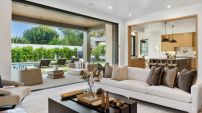
First, it’s no surprise that the great room, with its open plan living-dining-kitchen, lends itself much more to flexibility than the traditional shotgun design. With an open plan like this, ensuring that there’s a defined entryway is key. Second, using daylight where it has the biggest impact goes a long way. Older building codes required egress windows in most bedrooms, which often meant that the sleeping area actually got more natural light than the living space. Now, with a change in codes, evacuation routes can be designed through halls and stairwells. Moving the bedroom to the center of the apartment allows you to use that wall space to set bigger windows where they matter most—in the great room. The result is living space that’s flooded with natural light and truly livable.
Living Large
A 680-square-foot apartment lives larger using a great room plan.
Before
| After
|
Living Even Larger
A 760-square-foot place feels even bigger when there’s more natural light.
Before
| After
|