A strong work culture is the driving force behind the success of many builders. David Weekley Homes, No. 17 on the Builder 100 list, coincidentally also ranks as No. 17 on Fortune’s list of 100 Best Companies to Work For. Being this good at building homes and building a strong internal culture takes ongoing work.
Companies like David Weekley Homes need to be thinking about how to hire and sell to Generation Z, and that starts with understanding that demographic. The time frame varies, but Gen Z roughly includes those born from 1995 to 2005, according to sources on Wikipedia. Some tag Gen Z as the largest generation yet, making up 25% of the population, which is a larger share than baby boomers or millennials.
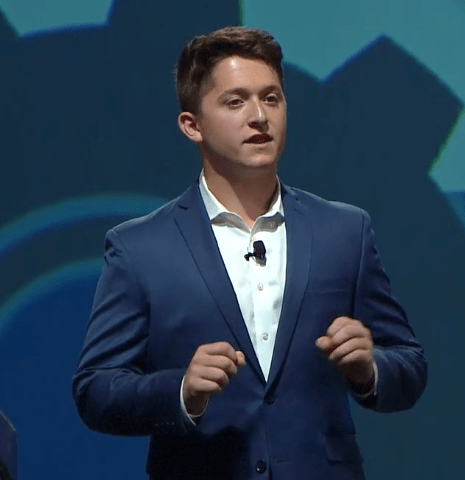
Father and son pair, David and Jonah Stillman, are co-founders of GenZGuru and co-authors of the book Gen Z @ Work, which is available for pre-order. They recently presented at the International Builders’ Show on how to connect with Generation Z. The Stillmans say that each generation has different events that shape them and drive their behavior, so companies need to understand these particular events and conditions.
The first thing the Stillmans pointed out is that all the unique characteristics that define Gen Z play out the same in both a work environment and when they are a customer.
Next, David Stillman points out that Gen Z is very realistic. The median net worth of their parents fell 45% during the recession, leading them to feeling like the most important thing during their high school career was the economy, where other generations were thinking about popularity. Gen Z is a more pragmatic, realistic generation. They feel lucky to have a job, and they are willing to work their way up.
When they are a customer, being realistic means they don’t want over-the-top claims on products and services. They are pragmatic about features and benefits. Where older generations are dazzled by smart technology, they expect it.
The next trait the Stillmans point out is the desire to customize. “If you think about the world we have grown up in, we have been able to customize the majority of the things in our life,” 17-year-old Jonah Stillman says. “Millennials had to do things to fit in. But Gen Z is doing the opposite. They are doing as much as they can to stand out. … When they enter the workforce, they think they can do the same thing there. They want to write their own job titles.”
Gen Z is an entrepreneurial generation—those in it are comfortable getting a certification and starting their own business. Employers will need to re-examine their structure, including the hours they expect to have work done. The young and energetic will have businesses on the side—they may work during the day and be an Uber driver at night. They will also bring us into a new age of “phigital,” or the blend of the physical and the digital world. As they are used to technology, they are comfortable with when real life and virtual experiences overlap. They are not surprised by innovation, rather, they expect it.
The question now is how can housing leaders activate this audience and manage them in the workplace?
David Weekley Homes is responding to Gen Z’s young drive with both college intern and student summer intern programs that allow someone as young as 16 years old the opportunity to get their hands dirty. Lyda Justus, vice president of marketing at David Weekley, says 38 interns joined the company in 2015, and it now has 59 interns working in the field or in its division offices. Plus, the staff reviews resumes for the students and provides feedback for future job opportunities, which appeals to Gen Z’s desire for constant feedback.
At David Weekley, the paid internships help college students make book payments and receive college credit or complete internship requirements. The company sees the program as a great way to introduce future employees to its culture and also to weigh their skill level and work ethic.
The Stillmans had these other fun facts to share about Gen Z that influence their work preferences:
- Gen Z has an 8-second attention span
- 84% prefer communicating face-to-face with a boss
- 91% of Gen Z say that a company’s technological sophistication would influence their desire to work there
- 61% ranked constantly getting new experiences as more important than climbing the corporate ladder
- Only 8% want to work in an open workspace
- 40% of Gen Z said working Wi-Fi was more important than working bathrooms