
C.J. Walker
While other Florida markets languish, Randy Kurtz’s Naples cli…
Geography may not be destiny, but for a lot of custom builders these days, it’s acting that way. Throughout much of Florida, the hard times are heading into their fifth year, and it’s still hard to catch a break. “Orlando is a decimated market, with the exception of the new Golden Oak community in Disney,” reports Naples, Fla., custom builder Randy Kurtz. Things are tough on the state’s east coast, too, where a dearth of custom home projects has led to a job-fair atmosphere at bid openings. Kurtz tells of a friend in Stuart, Fla., who had prepared to bid against six competitors on a residential project. “They postponed [the opening] because they’re going to add three more builders,” says Kurtz, who has heard too many similar stories to be surprised. In a scrum like that, he half-jokes, “Whoever makes the biggest mistake wins.”
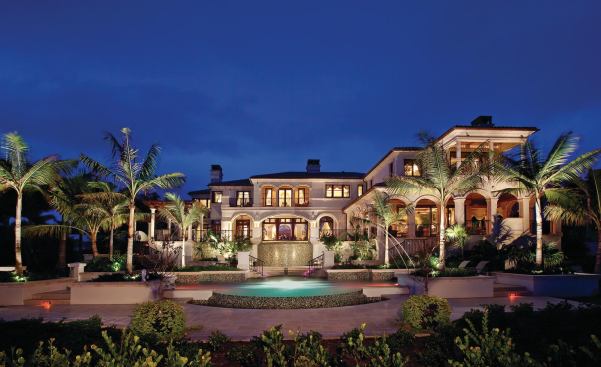
Closer to home, however, the picture has been far brighter. “Naples is still a relatively wealthy market,” Kurtz notes, and judging by his list of recent jobs, it’s hard to argue otherwise. In the past year, Kurtz Homes completed a $14 million project (a price that includes construction, landscaping, and interiors; land cost will bring the owners’ tab to $27 million). A client living in a 17,000-square-foot home that Kurtz renovated has now hired him for a beach-front tear-down project. “This house may be an interim house, or it may be their permanent residence,” he says. Running four or five projects at a time, Kurtz estimates that his company’s 2011 volume will be $14 million to $15 million, which is just where he likes it to be. “We’ve had some peak years when we did over $20 million, but we’ve always thought our sweet spot was in the mid teens.”
Even in Naples, though, much has changed since the peak years. For one thing, Kurtz says, “we don’t turn down more work than we do, like we used to.” Local builders who cut back their operations in the depths of the recession now seem to have more work, he observes, but competition for jobs still has an air of desperation. “You can’t operate a successful business long-term on 10 percent overhead and profit,” Kurtz says, but he’s seen builders go lower than that to secure a job. On one bid, he remembers, “Even after we got the job, the low guy called and lowered his fee.” That kind of atmosphere can’t help but influence consumer behavior. “The mindset is different” Kurtz notes. Clients who once wouldn’t have batted an eye at Kurtz’s price are negotiating, if only to knock a point off his overhead and profit.
The haggling seems less about money than about principle; in the current business climate even the wealthiest just feel they should get a deal. “My clients are most often business owners, Fortune 500 CEOs, or venture capitalists,” Kurtz says—people who know better than most that the customer now has the upper hand. But they also understand the value of a well-managed project and the hazards that lurk behind a low bid. “Most of our clients come to us, and most of those clients know what I cost,” Kurtz says. “One client told me, ‘It’s going to cost me an extra $400- to $500-grand to have you build the house, but it’s worth it.’”
Kurtz Homes, Naples, Fla.
Type of business: Custom builder/remodeler
Years in business: 29
Employees: 21
2010 starts: 6
In business since 1982, Kurtz built his company on identifying a market niche and sticking to it. “We are a high-end, low-volume builder,” he says. That limits the company’s pool of potential clients but yields a large dollar volume per sale and a great potential for repeat business. More important, it plugs Kurtz into a network that does his marketing for him. When he has diversified, he has done so cautiously. Five years ago, along with brother-in-law Mitch Melheim, Kurtz set up a separate operation, Randall Mitchell Companies, to do the less prestigious projects he had been passing up. “I didn’t want a Kurtz Homes sign outside a less expensive home,” he says. “It’s to protect the brand.” Interior work on luxury condominiums, on the other hand, fits the company’s image and also comes with its own built-in referral network. “We’ve done seven units in one building,” Kurtz reports, “all through word of mouth.”
Four years ago the company formalized the “estate management” services it had long provided to its existing clients by launching Kurtz Concierge. The division offers scheduled home inspections, repairs, supervision of grounds and pool maintenance contractors, and hurricane preparation. When a client travels, Kurtz explains, his staff will look in on the house, ensure that everything is clean and running smoothly, “and make sure there’s fresh flowers and wine in the refrigerator when they get home.” The division isn’t a profit center—“It’s hard to do it even at break-even,” Kurtz says. “You just can’t charge enough”—but it supports his larger plan of building relationships in his preferred niche. Kurtz knows he’s lucky to be in a place where that demographic remains active, and he’s determined to make the most of his good fortune. “We do anything a client wants,” he says. “We want to keep our clients for life.”