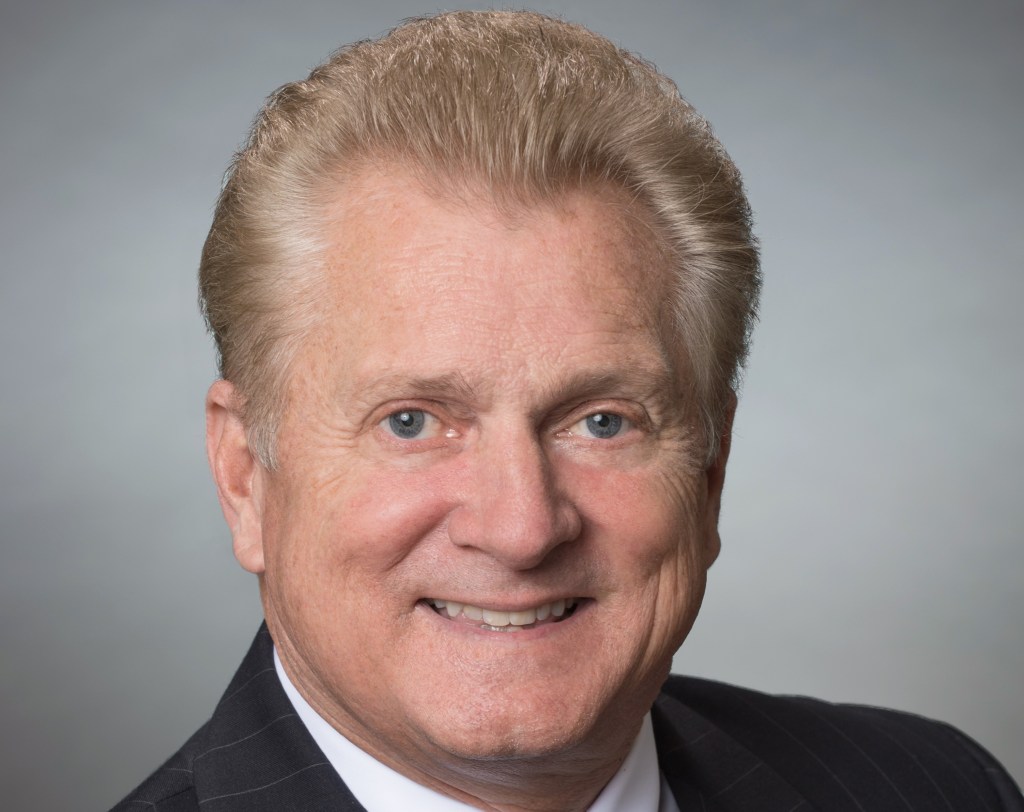
As my tenure as NAHB chairman begins, I want to build on the great accomplishments my predecessors have had on housing affordability while drawing upon new ideas and perspectives.
I take great pride in each home I build. My company has succeeded because we listen to our customers. As chairman, I will listen and lean on NAHB members as we work together to advocate for the housing industry.
Housing affordability remains everyone’s top concern. I want to help expand housing opportunities for all Americans and make the dream of homeownership a reality for as many families as possible.
NAHB will work with Congress and the administration to overcome the excessive regulatory burdens that drive up the cost of housing. At the state and local level, we must cut through red tape in the development process and address outdated zoning policies to make progress on the nation’s affordability crisis.
Workforce development efforts also remain a key piece of the solution. Our industry can help fill many of the hundreds of thousands of jobs lost due to the COVID-19 pandemic by training workers with the skills needed for a productive career in the construction trades. Home building jobs are good-paying jobs, and it is our collective responsibility to make sure young people and their parents, teachers, and counselors, as well as transitioning military members, are aware of the opportunities in residential construction.
The Economic Well-Being of Households
A recent study released by the Federal Reserve Board reveals that homeownership rates vary widely by age, race, and location.
The “Report on the Economic Well-Being of U.S. Households,” conducted in 2019 with a follow-up survey in April 2020, shows that homeownership rates tend to rise with age. The report reveals 26% of 18- to 29-year-olds owned their homes compared with 85% of people 60 and older. Similar analysis had been done by NAHB based on the Census Bureau’s Housing Vacancy Survey.
White adults had higher homeownership rates than Black and Hispanic adults—71% of white adults owned their homes, compared with 48% and 50% of Black and Hispanic adults, respectively. Moreover, rural residents were more likely to own their homes compared with people living in other areas. Thirty-one percent of rural residents owned their own homes without a mortgage, compared with 20% of urban residents.
NAHB economist Fan-Yu Kuo provides more analysis on this report in a blog post at eyeonhousing.org.
Our affiliate, the Home Builders Institute, is doing its part to prepare the next generation of skilled building trades professionals, and NAHB’s student chapters are providing young people firsthand exposure to the building industry through NAHB membership, educational programming, and networking opportunities.
I encourage all housing industry professionals to help grow our workforce by becoming mentors, providing apprenticeships, or by working with their local high schools and trade schools to promote the industry.
On other fronts, we are ready to work with Congress, the administration and other stakeholders in the effort to achieve meaningful housing finance reform. We are also encouraging the administration to end tariffs on imports of lumber, steel, aluminum, and other materials that drive up the cost of housing and push homeownership out of reach for many hardworking American families.
As we move closer to the 2020 elections, we are working to keep housing a national priority and to support pro-housing candidates.
We have set an ambitious agenda. As NAHB chairman I will work hard to advance that agenda and to create an environment in which our members can thrive.
While the COVID-19 pandemic paused the economic revival we had enjoyed for several years, our industry is on strong footing to lead the way to renewed growth.
As a former baseball player, I know that dedication plus motivation equals success. I am dedicated to the mission of NAHB and am motivated to keep growing our industry to ensure our members can move toward a successful future.