
Trumark Cos. has grown at a breakneck pace over the past five years.
In this period, the builder has partnered with Japanese company Daiwa House, expanded operations into Coloradothrough a greenfield expansion, and acquired central California-based Wathen Castanos Homes. These initiatives have translated into an compounded annual growth rate exceeding 60% since 2020, according to co-founder and co-CEO Gregg Nelson.
San Ramon, California-based Trumark Cos. ranked No. 67 on the 2025 Builder 100 list, surpassing 1,000 closings and $1 billion in revenue for the first time. The builder’s appetite for expansion remains strong, with more organic growth and M&A activity planned for the coming years.
Trumark Cos.
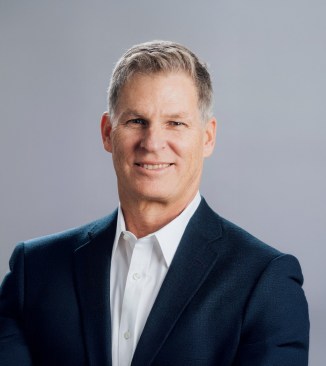
Steve Kalmbach, chief operating officer at Trumark Cos.
Given the rate of growth the company has experienced over the past five years, and the pace of growth planned in the future, Trumark Cos. identified the need for additional expertise, resources, and operational leadership. To this end, the company added the role of chief operating officer to its senior leadership team and tapped industry veteran Steve Kalmbach as the company’s first COO.
“We identified this new role as critical for enhancing the overall efficiencies of our operations as well as supporting ongoing, continued growth,” Nelson tells BUILDER. “It’s role that we had identified years ago, but were waiting for the appropriate timing.”
Kalmbach brings more than three decades of industry experience to the role, spanning residential, industrial, retail, and mixed-use development. He has held senior leadership roles for PulteGroup as the builder’s northern California division president and as the president of Thomas James Homes in southern California. For Kalmbach, personal relationships with Nelson and co-founder and principal Michael Maples and Trumark’s reputation, culture, and people made the decision to join the team an enticing opportunity.
“As with many in our industry, you want to work with people you like and respect. For me, that was first and foremost,” says Kalmbach. “Then, it’s where Trumark is going as a company. It’s a group that has experienced hyper growth and with that there is excitement and opportunity, but also challenges. For me, that’s an exciting part. [Given] the hyper growth, it is making sure that we are prepared to continue to grow.”
In the role, Kalmbach will have executive oversight of M&A activities for Trumark Cos. and operations for the company’s four divisions in northern, central, and southern California as well as Colorado.
“Steve will provide leadership and partnership with our current division presidents along with overseeing the post-merger integration of any new acquisitions and/or organic expansion efforts that we pursue,” Nelson says. “We’ve experienced a significant growth rate over the past five years, and we expect to continue to grow rapidly. At the same time, we need to make sure we are attuned to market conditions and are structured for a greater systemization and efficiencies critical for our increased size.”
‘Be Quick, But Don’t Hurry’
Despite the turbulent conditions of today’s housing market, Trumark Cos. and Daiwa House maintain a long-term perspective, believing there is significant opportunities for continued growth. Following its successful greenfield expansion into Colorado, Nelson says M&A and market share gains within existing markets will serve as the twin pillars of Trumark’s growth strategy moving forward.
“M&A is going to continue to be an important part [of our growth plan. We are currently in active conversations with multiple companies in various western states,” says Nelson.
Trumark’s current pipeline within its existing markets supports a doubling of revenue by 2027, surpassing $2 billion, according to Nelson.
“With the M&A efforts and the opportunities that we see in the western states, we think the revenue number could easily double again,” Nelson says. “We do plan on being a significant player in the western United States and contribute to the overall growth of Daiwa House’s group of companies within the United States.”
Given the scope Trumark’s ambitions, Kalmbach’s role in preparing the divisions for sustainable growth will be critical. His focus will center on ensuring the company’s products, processes, people, and systems can support its future scale.
“You’ve got to have your head on a swivel [in this industry]. You’re constantly gathering information, because this is an information driven business. Growth really starts with the four key tenants of product, process, people, and systems,” Kalmbach says. “There’s a great quote from [legendary UCLA basketball coach] John Wooden: ‘Be quick, but don’t hurry.’ We can’t growth for growth’s sake. We’ve got to be smart about growing”
Within Trumark’s current markets, Kalmbach notes the restricted housing supply and complex local jurisdictions make experience and relationships especially vital.
“It’s a difficult process to entitle and build in California. It starts with having a great team, a great culture, great processes in place, and having the right product and systems,” he says. “We’re going to look at opportunities out there. Southern California and Northern California are two key areas where we want to increase our footprint. We’ve got to do it smartly and strategically and we are not going to grow just for growth’s sake.”
Culture of Growth
Nelson, Maples, and Kalmbach all recognize the importance of maintaining a strong culture amid a rapid expansion. Company culture not only shapes brand reputation, but also drives employee engagement and performance, which supports continued growth.
“Michael and I have made efforts to ensure Trumark’s culture is healthy and positive. That is critically important running a successful company and we put that value above the business success because we think the culture helps us be more successful,” Nelson says. “When people are healthy and enjoy the work environment that a good culture provides, they can be their best selves. When we are our best selves, we perform at our best level and that informs how we can achieve success as a company.”
In addition to his deep industry knowledge, Kalmbach’s experience with high-growth organizations brings added value to Trumark.
“It starts with the individuals at the top to make sure they are driving those components of the key tenants of culture,” Kalmbach says. “One of my charges is to try and bring everything together. To me, that is what drives culture the most. Each of our divisions does something really great in their own unique way. How do we share that with other divisions so we can learn from each other?”