Housing’s “lost decade” got under way as a super storm by another name–Katrina–struck her murderous blow to Louisiana’s Gulf Coast. The catastrophe and its horrific aftermath seized–instantaneously, completely, and for weeks–national attention, a powerful and tragic diversion from an uneasy queasy feeling many home builders were picking up at that very moment as new home orders in their Sacramento divisions suddenly went radio silent.
What happened from that moment reached a step change crescendo in September 2008, an economic super storm that brought people, banks, careers, corporations, communities, governments, and trust in the path of the American Dream just as suddenly to their knees.
Crash and crisis, the only words out there at the time to get at the matter at hand, seemed woefully inadequate in light of the scale, the depth, the finality of damage, wreckage, and loss.
This week, on the one-decade anniversary of the collapse of Lehman Brothers, we’ve had no shortage of reminders of the carnage, nor a dearth of stern warnings of the possibility it could all happen again. And, then there are the conference sessions, panel discussions, and keynotes, and white papers about the “lessons learned” from failures that pitched us headlong into the vortex of the Great Recession.
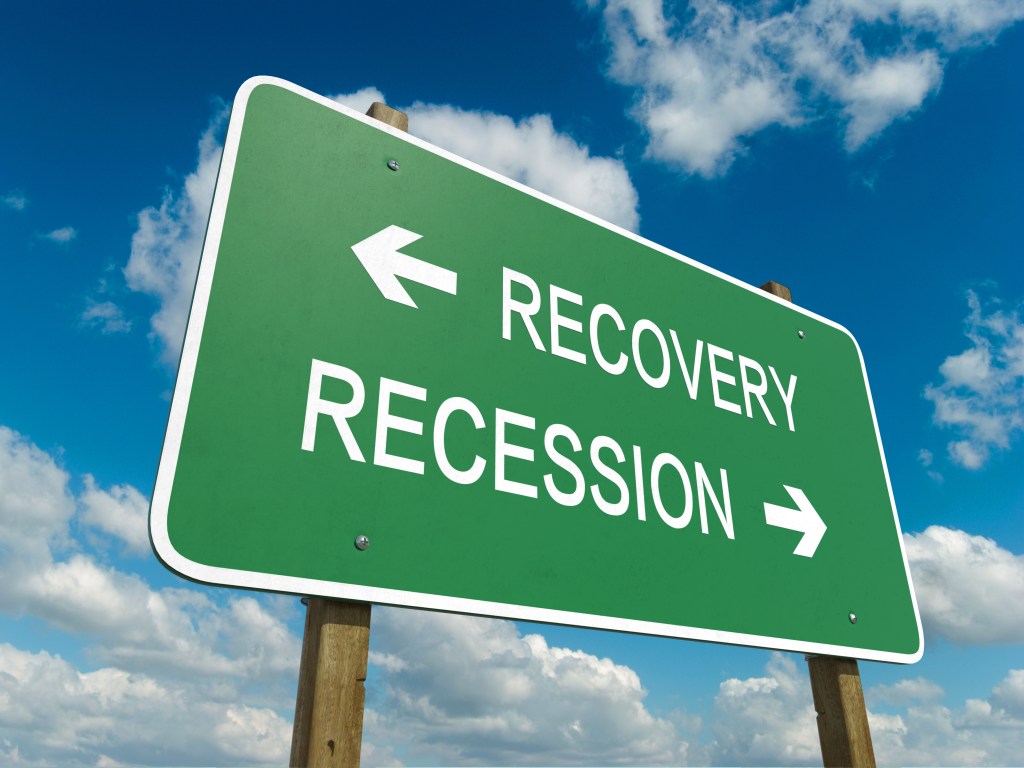
What’s compelling to focus on as we recall the arrival of our era’s darkest economic moment 10 years ago, is the question of whether “housing’s lost decade” has ended or not.
If the massive, elemental, life-threatening failures of that era taught us life lessons about what to do and what never to do again, a question remains. What do we make of and take away from the stretch of success bankers, investors, builders, manufacturers, materials suppliers, real estate pros, property owners and the hundreds of pilot fish professions that swim along for the ride since that moment of darkness claimed trillions of dollars of people’s wherewithal at breathtaking speed?
It’s said we learn more from failure than we do from success, and now might be the moment to test the validity of that assertion.
A Harvard Business Review classic, on “Why Leaders Don’t Learn from Success,” is instructive, focusing on three “interrelated impediments” that success blocks from our ability to discover what we need to survive and thrive in the future. Here they are:
The first is the inclination to make what psychologists call fundamental attribution errors. When we succeed, we’re likely to conclude that our talents and our current model or strategy are the reasons. We also give short shrift to the part that environmental factors and random events may have played.
The second impediment is overconfidence bias: Success increases our self-assurance. Faith in ourselves is a good thing, of course, but too much of it can make us believe we don’t need to change anything.
The third impediment is the failure-to-ask-why syndrome—the tendency not to investigate the causes of good performance systematically. When executives and their teams suffer from this syndrome, they don’t ask the tough questions that would help them expand their knowledge or alter their assumptions about how the world works.
In other words, instincts that involuntarily and persuasively tell us our wins–especially over a sustained period of time, like the past 8 years of economic and housing recovery–are “all about us” get in the way of necessary rigor and learning.
How do we counter those convincing, reflexive, self-referential and utterly affirming instinctual forces, especially when our organizations are humming on all cylinders, generating value, and populated by a generation of team members too young to relate to the debacle that shook the planet 10 years ago?
Humility, maybe?
A realistic sense that although many people, many firms, and many communities dug themselves out of the depths of despair, righted themselves, and set themselves in a profitable direction, we can look at success and failure as two sides of the same coin, and learn from both.
We can actually look at systemic failure today–should we want to acknowledge it to ourselves and do something about it–whose evidence is that economic and housing recovery in the United States have been selective, restrictive, polarizing, and disheartening in their separation of winners from losers.
Following the crash, lending tightened significantly and inventory shrank throughout the country. Nationwide, the median home value is now about what it would have been had values continued on the pre-bubble trend without a bubble or bust. Homeownership rates nationally are beginning to climb but are still down more than four percentage points from 2006.
Pick whichever you feel will offer you and your team the best opportunity to learn–from failure or success–and recognize the lesson you need most to account for.
For instance, one of the biggest lessons we could have learned from the mega crisis 10 years ago is that working household wages can never, ever, ever, be decoupled from home property valuations without dire consequence. Massively destructive finance masquerades as wonderfully creative financing.
One of the biggest take-aways from the past eight-years-plus run of success is not only that it’s not “all about us,” and how effective we are, but that America’s expanding middle band of households, whose prosperity draws directly and exclusively from their paychecks, are increasingly priced out of and missing out on the American Dream.
So, success, its lessons and its moment of abundant resources can all go toward a goal, to Reignite the Dream, one that can make America great for more people, more communities, and more of this little planet. We’re fanatically focusing on that goal at Hive, taking place, Nov. 28-29, in Austin. Register here now.