Sloppy Insulation
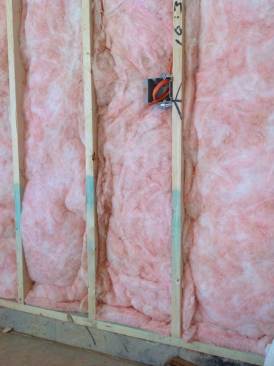
There’s no complaint here: From spray foam to fiberglass batts, today’s insulation choices provide tight, energy-efficient building envelopes. Problems occur during the installation of these products. “We know how to insulate to higher levels these days, but to be able to do it properly is challenging,” says green building verifier Joseph Gordon.
The mistakes he sees most often are with poorly applied batt insulation. Even a ¼ gap between the fiberglass and the building envelope greatly reduces its efficacy, so Gordon urges builders to pay close attention to installers to make sure they are filling cavities completely and making contact with the protective framing, sheathing, and wallboard on all sides.
Installers must trim batts carefully to fit oddly shaped voids, cut and fit the material around blocking and electrical boxes, and split the batts to fit behind and in front of wiring. This care and effort will pay off in improved comfort, energy savings, and home energy ratings for your clients, says building science writer Ted Cushman.
Blown-in cellulose insulation can also pose installation problems. Georgia-based energy-efficiency expert Allison Bailes takes issue with “lumpy” application of blown-in cellulose in this Energy Vanguard article. He says builders should demand a flat application for uniform R-value throughout the attic.
Bottom line? “The best
insulation is the kind that’s installed correctly,” says North Carolina-based home energy rater Steven Armstrong.