Harry Whitver
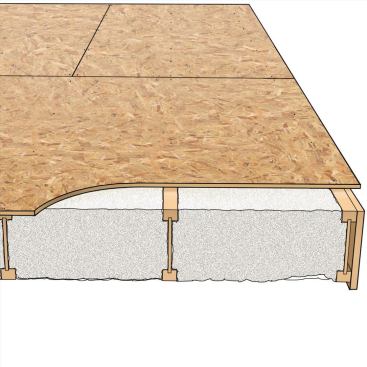
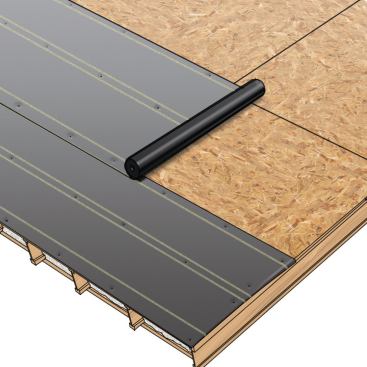
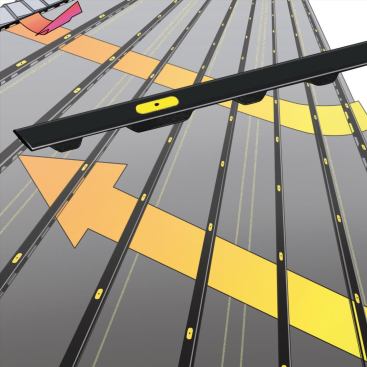
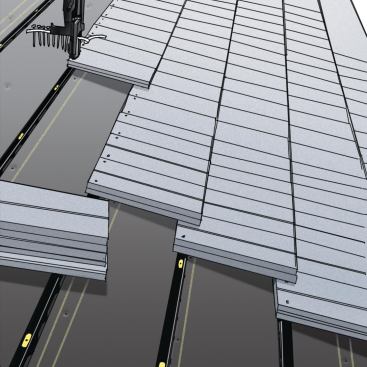
Heat island effect is one of those green building terms that is coming late to the residential realm but can be a significant part of the energy-efficient equation. Well known in commercial circles, it refers to the roof’s propensity to be a heat sink (or island) that enables thermal transfer to undermine energy-efficient investments elsewhere in the building. Non-res folks often solve this issue with white or light-colored roofing membranes that effectively reflect the sun’s heat away from the surface. For sloped-roof housing using almost anything but an asphalt comp, the solution is a ventilated roof assembly that holds the roofing material slightly above the deck to facilitate air transfer under the tiles or panels, which mitigates overheating the attic and living spaces below to keep cooling-energy consumption in check. The roofing material can also help. Like membranes, lighter claddings will reflect rather than absorb solar heat gain.