Get Ready: Measure the length of every perimeter wall and the di…
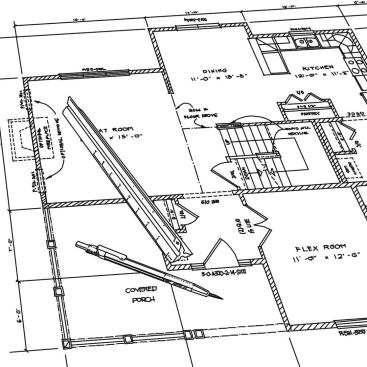
Get Ready: Measure the length of every perimeter wall and the distances between openings and corners to openings for each floor of your plan. Choose a wall bracing method from the code. Determine the percentage of each wall area that needs to be braced, a calculation of wind speed, seismic zone, the level or story, and the chosen method. Multiple methods may apply depending on the design and loads to accommodate.
Harry Whitver
Let-In Bracing: The old-school choice, made a little easier labo…
Let-In Bracing: The old-school choice, made a little easier labor-wise and also a little stronger with metal components versus 1×4 wood, which buckles under force more easily. Set the braces at a 45 degree angle to achieve the best performance. Use this method with rigid foam insulation panels fastened to the outside of the studs to create a thermally broken insulated shell.
Harry Whitver
Structural Panel Bracing: By far the most common method, it uses…
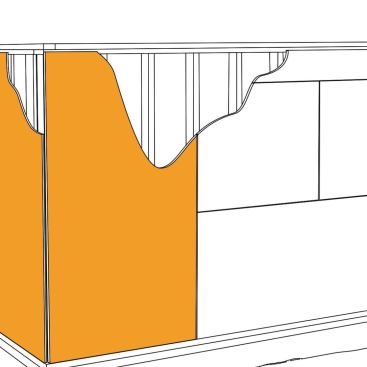
Structural Panel Bracing: By far the most common method, it uses 15/16 inch-thick plywood or OSB panels for 16 inch on-center stud spacing (3/8 inch for 24 inch o/c spacing) and extending the full height of the stud wall. The code makes no distinction between vertical or horizontal panel orientation, but high-seismic areas may require more fastener and connector details to comply.
Harry Whitver
Shear Wall: Shear walls are designed for specific lateral loads …
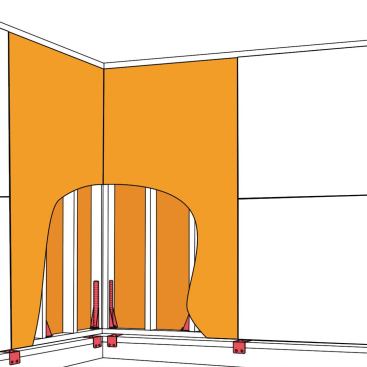
Shear Wall: Shear walls are designed for specific lateral loads (versus prescribed by code) and require an engineer’s stamp of approval. They feature thicker panels and holddowns (at least) at the foundation and are often used for narrow walls, such as on either side of a two-car garage door opening, to comply with the bracing code, and/or in hurricane- or earthquake-prone areas.
Lateral wall bracing has been in building codes since the HUD Minimum Property Standards of the 1950s. The purpose is to stiffen the structure against uplift and overturning (or tipping over) and shearing (or sliding) along its foundation or platform. Over the years, the provisions have been expanded and refined as floor plans became more complex, new materials became available, and as the damage to homes by earthquakes and hurricanes exposed gaps in the standards. Currently, builders can choose from eight methods to comply with the International Residential Code, and revisions to section 602.10.3 of the 2009 edition of the IRC made it easier to discern seismic and wind-load zones of their locations. “Those two forces act differently on a house,” says Gary Ehrlich, program manager of Structural Codes and Standards at the NAHB. “The revisions actually allow more flexibility to address them.” Consider the following tips and methods in the slideshow.