Harry Whitver
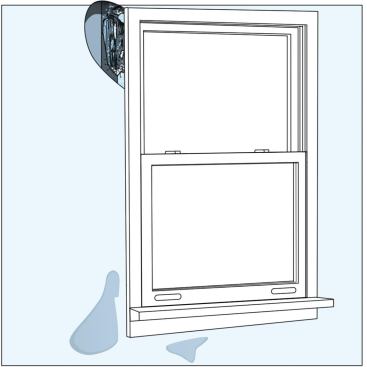
Damage caused by improper window installations, specifically flashing details that allow water infiltration, routinely top the list of callbacks. And with the average 2,300-square-foot house containing 19 windows, there’s ample potential for problems ranging from rot to mold and condensation. Not to mention damage to your reputation as a quality builder and a hit to your already razor-thin profit margin.
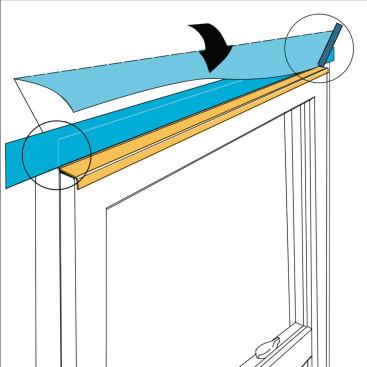
The pinch point appears to be incorrect or backwards flashing. “No one would roof a house with the shingles overlapping the wrong way,” says Alan Mooney, PE, president of Criterium Engineers, a national construction consulting firm in Portland, Maine, that inspects about 20,000 homes a year. “But when contractors start flashing a window, its remarkable how frequently they start at the top and work down,” thus layering it backwards.
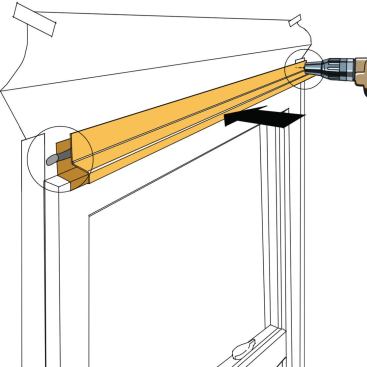
Mooney and his nationwide legion of inspectors tend to see that situation mostly at the head (or top) of the window-wall assembly, where a variety of components come together—or should—to shed water away and around the window and keep it from infiltrating the assembly. “Frequently, the head flashing and/or drip cap is installed over the housewrap or building paper,” he says, which allows water to get behind that barrier and “come out somewhere.” Often, that somewhere is within the wall cavity or into the window frame, planting the unseen yet costly seeds of damage.
Learn more about markets featured in this article: Portland, ME.