We had a fascinating conversation Friday with one of the CEOs of a top 10 home building company about a few aspects of the first official week in the life of Donald J. Trump, 45th President of the United States, and his impact, immediate, near-term, and long-term.
Other sources can serve well as chronicles of the specific actions, orders, initiatives, points of focus, implications, and intentions of the new president, whose administration finds itself in an intense maelstrom of protest to an executive order that bans immigration to the United States from seven countries and tightens national security.
This note is to give you a sense of what one of the top leaders of the home builder business community thinks and believes, based on what Trump has said, what his track record in business speaks to, and what his initial moves indicate in terms of their ultimate impact on business conditions for home builders.
Mostly, this business leader–whose name I’m not mentioning not because he asks for anonymity, but because his views about both the Presidency and the man newly in the office are those I hear are shared by many top executives among home building, residential development, and real estate companies–believes now is an opportunity to let go of preconceptions about what America can do to rebuild its economy and what it can’t do. He also believes that the new President, whatever you think of him, shows signs one would look for in a leader–which is that he’s surrounded himself with strong-minded, intelligent and experienced advisors, and he’s listening to them.
“You don’t have a politician in that office now,” says this CEO. “He’s a businessman, and he took almost every politician standing behind him at the inauguration ceremony sternly to task and slammed them all for the paralysis and lack of progress in our nation during the past however many years you want to look at it, both Democrat and Republican. This is a sea change moment; out with the old and in with the new.
“The fact is, taxation and regulation were huge factors in depressing society during the prior administration, and contributing to the dramatic polarization in our economy between people with money and people with no economic mobility. If Trump pulls off what he plans, which would–decrease taxes, eliminate and streamline regulations, supercharge infrastructure, and create a wave of new jobs, and speed up business and the economy–it could be wonderful for all of us.”
In particular, this CEO says, “the huge environmental and other regulations one has to go through to get a business up and running has definitely been holding builders back.” He cites overreach at the Environmental Protection Agency as a particularly insidious suppressor of progress on the housing recovery front. Still, this executive does not discount the possible risks and negatives that accompany a shinier view about improved business conditions under the new administration.
One is the dramatically more protectionist stance, which has already come into play in the decisive position the President has taken on global free trade agreements like the Trans-Pacific Partnership, and paying for “the wall” on the U.S. border with Mexico, which now appears to be leading toward a new 20% border-adjustment tax on items imported from Mexico. Not to mention immigration policies that would appear to be a shot across the bow of home builders who’re so reliant on an immigrant, and in many cases undocumented, workforce originating from South of U.S. borders.
These policies, economists say, may put a hit on American households in multiple ways. One, goods and services imported into the U.S. will both be more expensive and lead to less variety, less choice. Secondly, for businesses that source materials and products from Mexico and Canada, for instance, countries directly impacted from any disruption to NAFTA—think timber and any number of other materials builders in Texas source to Mexico for efficiency purposes–border-adjustment taxes would exert ever greater pressure on direct costs for builders.
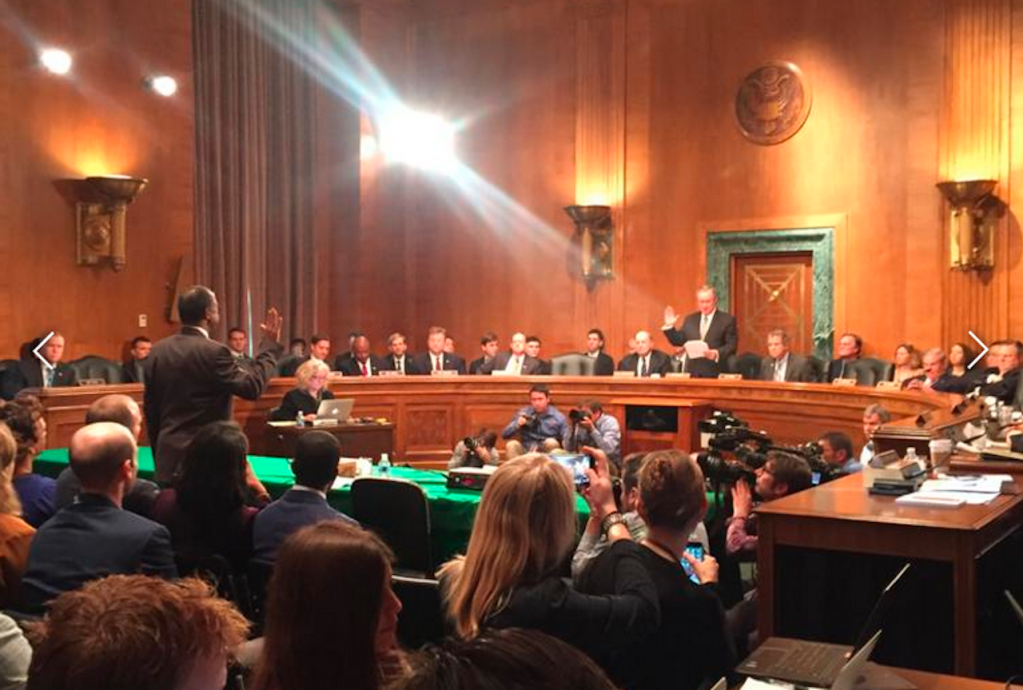
“I’m concerned about the protectionist policies, and I’m concerned about the initial stances on immigration–we do need a national work visa program–and you don’t know yet what the HUD [Department of Housing and Urban Development] Secretary Ben Carson, confirmed last week by the Senate Committee on Banking, Housing and Urban Affairs] is all about yet,” our home building executive tells us. “The thing is, what I keep telling people is that you can’t take Trump literally at his word. If you look figuratively at what he’s trying to get at, you may find yourself agreeing if you look at the big picture. Much of what he’s said so far is classic negotiation strategy. You start with an extreme position, and then start discussing what will make something work.”
The difference now, versus before, according to this executive is the quality of leadership.
“Good leaders take responsibility and they take the blame, and we didn’t hear our previous president willing to take the blame for anything that did or didn’t get done during his watch. Good leaders put good people around them, and they listen. Trump looks like he’s going to do that, listen.
“What’s more, he’s raised the question, ‘why can’t we, here in America, have plants and factories, and manufacture goods and create new services and jobs?’ And he’s also posed the challenge, ‘why can’t someone in the workforce here in the U.S. make a good, reliable living in a trade?’ We don’t need every single individual growing up here to go to four-year university institutions getting degrees to become masters of the universe. We need more people to get interested in construction, vocations, training, skills that can be useful through good economic cycles and bad.”
In this notion, we see a potential helpful point of focus for the incoming HUD Secretary Ben Carson. What better position to give genuine oomph to efforts to address labor capacity issues in construction, than as point person in housing and urban development. With a robust well-directed effort from his position, Carson could provide needed impetus and direct resources into training a workforce capable of making both rural and urban housing more accessible, more attainable, and more affordable to the respective renters and buyers who need new housing.
That would be something different.