
House fires have changed over the years. They are hotter, faster, and more deadly because today’s homes are filled with products that burn quickly and produce toxic smoke. These include synthetics, plastics, lithium-ion batteries, and more. Smoke alarms warn when there is smoke, but occupants must still escape. Fire sprinklers are a technology that can help stop a fire from becoming deadly.
The technology is simple: high heat from a fire triggers a mechanism that activates the sprinkler. Water applied at the fire’s initial stage controls flames and limits smoke spread early, giving residents time to escape and the fire department time to respond. A typical home fire will be controlled, and may even be extinguished, by the time the fire department arrives.
NFPA 13D is the national installation standard for one- and two-family dwellings and manufactured homes. Its goal is to provide an affordable sprinkler system that maintains a high level of life safety by preventing flashover. To achieve this, the standard requires up to a maximum of 40 gallons per minute water supply to accommodate one or two operating sprinklers for at least 10 minutes. Sprinklers are installed in living areas, the standard does not require sprinklers in small bathrooms or closets, pantries, garages, attics and other concealed non-living spaces.

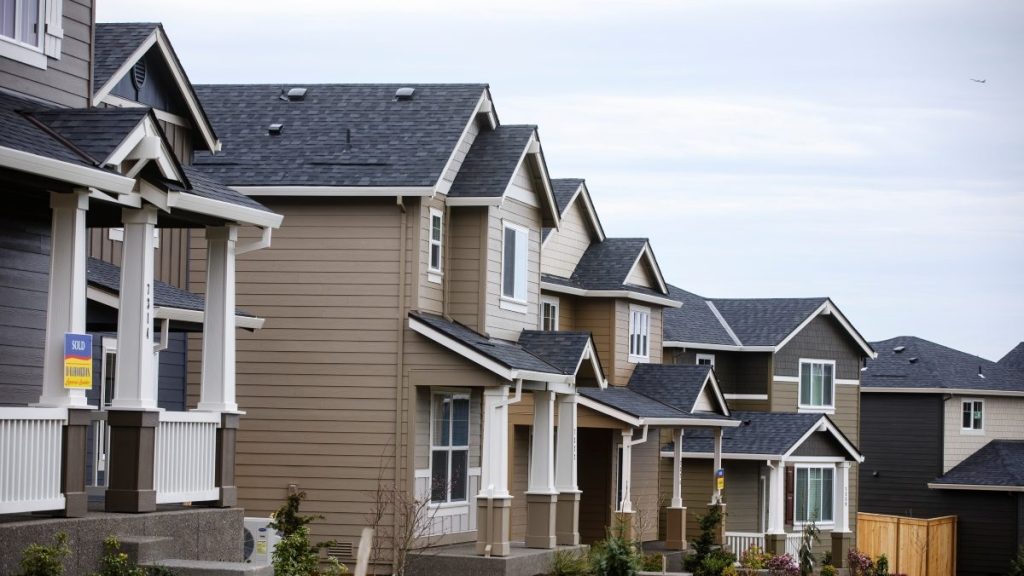
Fire sprinkler installation in new-home developments is good business. When entire developments are protected with sprinklers, fire officials frequently offer “trade ups” (incentives) to reduce infrastructure and other construction costs. Common trade ups include reduced street width, increased hydrant spacing, no need for expansion of existing water supply and single access points. Sprinkler incentives also improve profitability by allowing higher density, additional units, longer dead-end streets and T-turnarounds. Sprinklers often enable better land use by permitting development in areas otherwise restricted due to terrain or environmental constraints.
When a developer submitted plans for a 60-house development along a steep hillside in Camas, Washington, the Authority Having Jurisdiction offered to eliminate one of the required entrance roads if all homes had installed fire sprinklers. This saved the developer $1 million in infrastructure and materials.
Forty years ago, Scottsdale, Arizona, passed an ordinance requiring fire sprinklers in all new construction homes. Working with developers, officials identified several “design freedoms” that resulted in significant developer savings. The city has saved millions of dollars in water distribution costs.
Today, more than half of Scottsdale’s homes are sprinklered, and fire-related dollar losses remain well below the national average. In sprinkler-protected areas, there is a reduced demand for fire apparatus, allowing the city to focus its resources on EMS calls.
Besides benefiting homeowners, developers and municipal operations, fire sprinklers are good for the environment. Full-scale fire tests (FM 2021) comparing sprinklered and non-sprinklered home fires found that sprinklers reduce greenhouse gas emissions by 97%, water usage by 50% and 91%, and reduced persistent pollutants, such as heavy metals in the wastewater.
Learn about home fire sprinkler incentives at www.homefiresprinkler.org.
Watch this video!