Harry Whitver
Though stunted by the current housing economy, the use of insulated concrete forms (ICFs) remains a viable and attractive option for builders seeking to boost the strength and insulating quality of their basement and first-floor walls.
Builders seeking green building certification often gain additional credits for ICFs, thanks to their inherent thermal and air-sealing qualities. They also can save time on the construction schedule, as ICFs typically go up faster than conventional block walls.
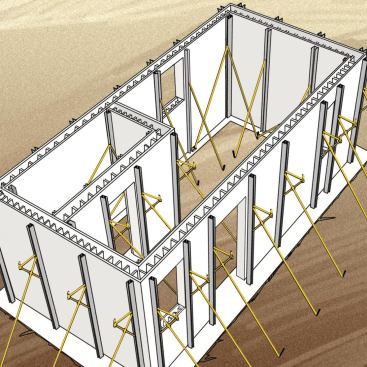
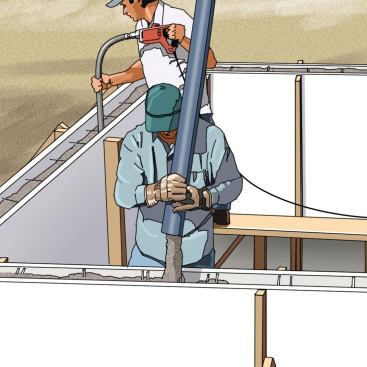
But while their Lego-like interlocking design and lightweight poly-foam construction enables a fast assembly on site, those qualities also make ICFs vulnerable to bows, bends, and blowouts once the concrete starts to flow—especially on tall, above-grade walls.
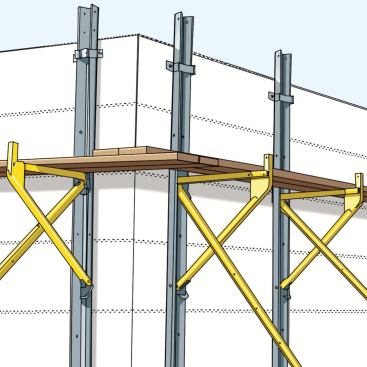
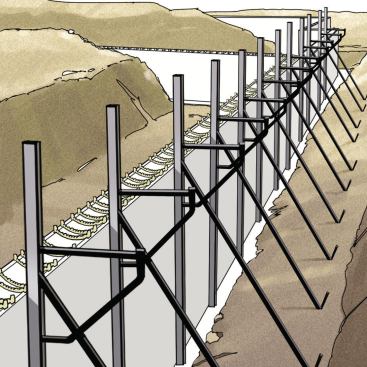
ICF experts have learned that proper bracing is essential to keeping the walls plumb and avoiding costly (if not easily remedied) mistakes during the pour. Consider these tips the next (or first) time you use ICFs.