Fleeing costly living expenses in metros like New York, Los Angeles, and Chicago, home buyers are looking to move to different metros for reprieve as the typical housing payment is 26% higher than it was a year ago.
Of the top 10 metros buyers are searching to move to, five are in Florida, according to a new Redfin.com report. In January, a record-setting one-quarter of Redfin.com users looked to move to a different metro area. That share is up from 24.5% in Q4 of 2022, 22.8% a year ago, and roughly 18% before the pandemic.
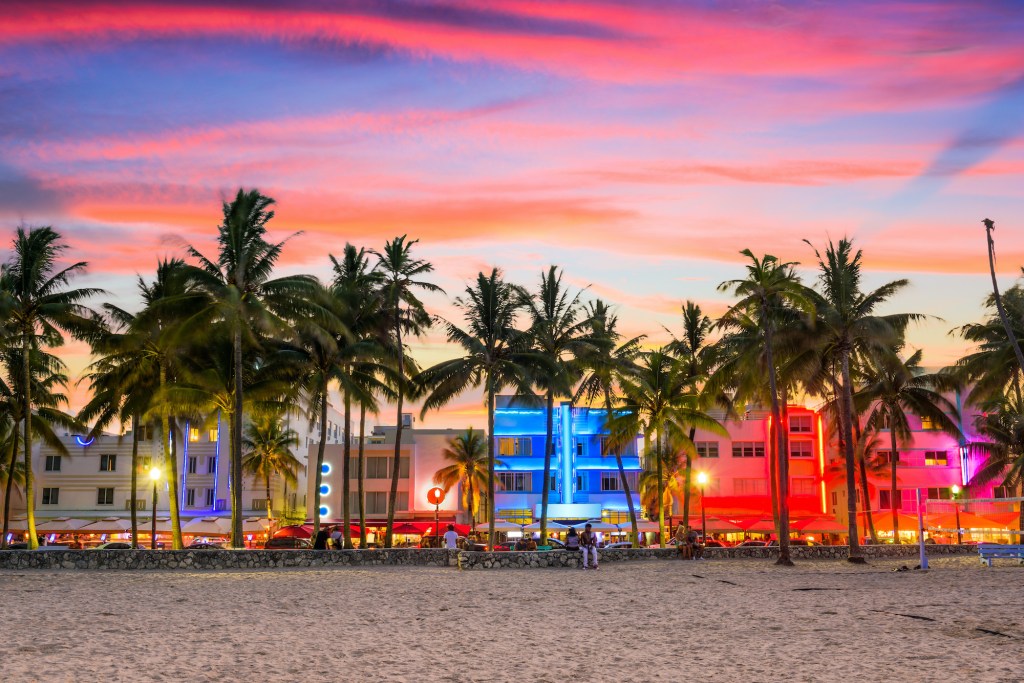
Of all relocation searches, the most popular migration destination was Miami. The ranking is determined by net inflow, the measure of how many more users are looking to move into an area than leave it. While Miami homes are more expensive than the national median of $383,000, the homes are less expensive than where relocators are coming from.
“A lot of buyers have flocked into coastal Florida from out of town over the last several months,” says Elena Fleck, a Redfin agent in Palm Beach, which is part of the larger Miami metro area. “Buyers moving in from places like New York and San Francisco are helping the local market recover from last fall’s housing downturn. They’re not nearly as fazed by high mortgage rates because homes here are so much less expensive than their hometowns, and they get larger lots, pools, nice weather, and lower taxes.”
The top 10 list includes Sacramento, California; Las Vegas; Phoenix; Tampa, Florida; Dallas; Cape Coral, Florida; Orlando, Florida; North Port-Sarasota, Florida; and Houston. The typical home in eight of the 10 destinations is less expensive than the typical home in the most common origin, the report finds. However, due to the overall lower home buying demand, fewer users looked to move to eight of the 10 most popular destinations than a year earlier.
Of the home buyers looking to leave pricey metros, the largest percentage were originating from San Francisco and Los Angeles in January, followed by New York, Washington, D.C., Chicago, Boston, and Seattle, among others. Seattle saw the most pronounced slowdown of net outflow at roughly 3,400 in January, down from 19,000 a year earlier.