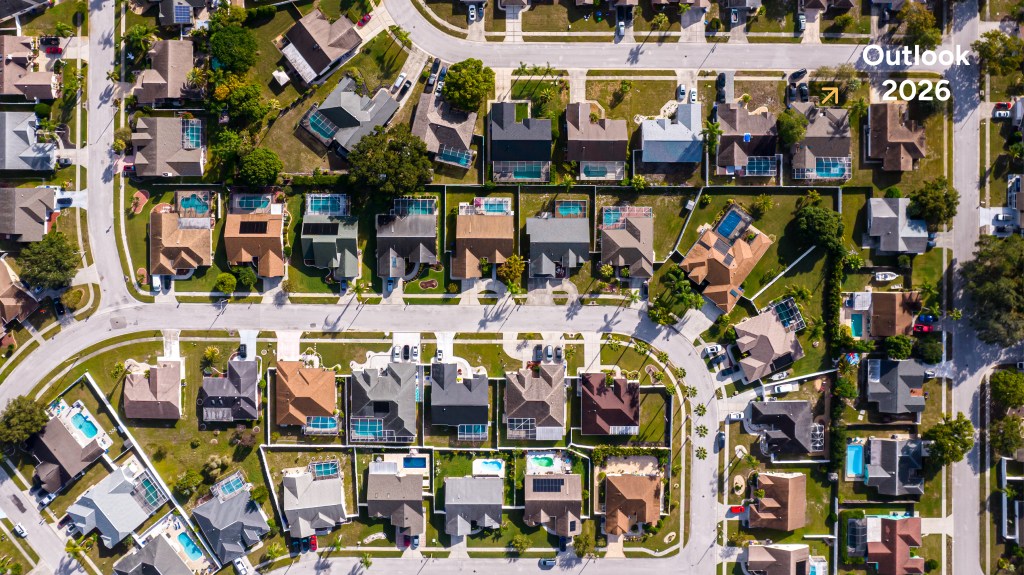
I expect to see continued stability across most Southeast housing markets in 2026, but we’re still dealing with significant supply-side constraints. Demand fundamentals like employment growth, rising household incomes, and population growth remain solid across the Southeast, but in many markets, we are seeing closings outpacing starts. While that is good and indicates that markets are not overbuilding, it highlights the slow pace of new supply.
For more forecasts from the Zonda Advisory team, please click here.
In Orlando, household formation, employment diversification, and in-migration are driving demand. The metro topped Zonda’s Baby Chaser Index in 2025 and remains a popular destination for retirees, but the economy is diversifying beyond entertainment and theme parks, with growth in high-income sectors.
The market is offering buyers a range of housing types, including townhomes, smaller single-family homes, and more diverse floor plans. Affordability remains a challenge and the market remains undersupplied across most price points below $500,000.
Across Florida, we are seeing more movement inland. People want to stay in the state but move away from the coast due to storm risk and rising home insurance costs. That’s pushing interest areas inland from Tampa, and the I-4 corridor between Orlando and Tampa continues to see rapid growth.
In Nashville, the biggest story is policy-related, specifically the local regulatory environment that’s making it difficult to get density approved and land entitled. Infrastructure improvements are ongoing but they’re not there yet, and that continues to constrain growth. Lot supply is also tight in Nashville, too. Davidson County has just 15 months of supply in the pipeline, and most of those lots are still in excavation or early development stages. Finished vacant inventory is undersupplied at just 2.3 months.
Across the Carolinas and Georgia, we’re seeing a strong pull from “halfbacks” leaving Florida searching for similar climates, better affordability, and proximity to family. Places like Greenville, Charleston, and Atlanta are benefit from this shift. Atlanta’s age-restricted, active-adult communities are among the best-selling in the metro. A concern for the Atlanta market is immigration and visas because of the strength of the back-of-house tech sector in the region. Developments with H-1B visas are worth tracking as these workers are historically new-construction buyers in the Atlanta market.