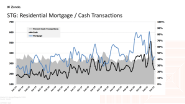
The best way to describe the Texas housing market heading into 2026 is that it is choppy. We’re seeing month-to-month swings, builder-to-builder differences, and location-specific volatility. That inconsistency is largely driven by two things: consumer confidence and affordability. Builders have responded aggressively by buying down mortgage rates, but uncertainty around jobs, policy, and the economy keeps buyers hesitant.
Dallas is still the long-term powerhouse. It remains the top new-home market in the U.S. and has favorable tailwinds in population growth and corporate relocations. Dallas has the land, infrastructure, and job base to support growth for years to come. Even with recent softness in the market, Dallas will remain at the center of growth in the new-home market within Texas and the U.S. overall.
Houston has plenty of runway left as the second-largest new-home market in the country. It’s affordable, with strong migration and massive master-planned communities fueling activity. It’s generally easier to develop there, with fewer land constraints than in other markets, and infrastructure, such as toll roads, continues to drive new growth corridors. The entry-level market is particularly strong due to the availability of smaller homes and lots.
San Antonio is currently the most stable market in Texas. It’s the only major Texas market where job growth has been trending upward year over year. It’s a blue-collar market with consistent demand, and a majority of the homes in the market are priced below $400,000. Builders operating in the San Antonio market are more likely to self-develop and are less reliant on buying lots from master-plan developers, which control costs and simplify processes for builders.
Austin is the outlier among Texas markets. It saw the biggest boom during COVID and now is seeing the biggest pullback—starts are down 15%. But long term, it’s still a tech hub with water and entitlement constraints that limit supply. That means it rebounds strong once demand stabilizes. Builders have adjusted quickly, offering smaller homes on tighter lots to hit affordable price points.
Across the board, builders are focused on moving standing inventory. There’s margin pressure from heavy incentives, but supply levels are still under control—below three months in most markets. Job growth and consumer confidence are the wildcards. Rate drops alone won’t unlock demand unless consumers feel secure.
Bottom line: Texas remains the center of homebuilding in the U.S. We’ll likely continue to lead, but 2026 will depend on how the economy, migration, and consumer sentiment evolve. These mini cycles come and go, and we always find a way through them.