As 2026 approaches, single-family design is entering a new phase, one defined by stronger buyer preferences, sharper product differentiation, and a pivot away from the sameness of recent years.
Architects and builders report increased demand for character, flexibility, and higher-performing spaces that support everyday living.
“2026 is about intentionality and longevity,” says Angela Nuessle, national vice president of interior design at PulteGroup. “We’re moving away from redesigning every few years and embracing choices that grow with you. Homes are no longer just places to live, they reflect our values and how we care for our families.”
To see what’s in store, BUILDER analyzed several residential design predictions from some of the country’s top home building companies including No. 3 PulteGroup, No. 8 Taylor Morrison, No. 12 Ashton Woods Homes, and No. 23 Beazer Homes.
PulteGroup
The interiors team at PulteGroup, led by Nuessle, identified three key trend areas shaping the year—lifestyle, design, and color—and chose to highlight the following trends.
- Multigenerational Living: Rooms that go from playrooms to offices to quiet retreats as families evolve.
- Quiet Luxury: A theme that celebrates understated elegance. The approach favors natural materials, expert craftsmanship, and restraint. Less really can be lovely when every piece earns its place.
- Wellness Throughout: “Think cozy corners for mindfulness, spaces that foster community, and layouts that support mental and physical health,” says Nuessle. “It’s not just aesthetics. It’s how your home functions and enhances how you feel every day.”
- Four Emerging Styles: Heritage Classics focuses on authenticity with natural wood grains and antiques. Tailored Traditional brings refined classics with a modern edge. Warm Minimalism keeps clean lines but adds inviting textures. Glam and Luxe introduce luxurious accents that feel indulgent without overwhelming.
- Purposeful Innovation: It means incorporating technology that solves real problems. Air purifying paints, smudge-proof stainless steel, wear-again appliance cycles, and combination appliances that free up kitchen space. The common thread is design that serves how people actually live.
- Color Trends: Black and white remain timeless and dramatic. Bold blues and dimensional greens reduce stress and support well-being. Coffee-inspired palettes deliver rich mocha, latte, and espresso tones. Soft tans and taupes add warmth across all categories.
Taylor Morrison
Taylor Morrison’s design leaders, Lee Crowder and Brian Juedes, are seeing several emerging trends that are shaping how homeowners are styling and personalizing their spaces. A few of their standout themes include:
- Color Capping: In a softer version of “color drenching,” homeowners are using color on ceilings, trim, and unexpected surfaces to define mood and create visual flow.
- Grandma Hobbies: The rise of “grandma hobbies” is encouraging flexible, multiuse spaces at home that support hands-on, screen-free activities and personal growth.
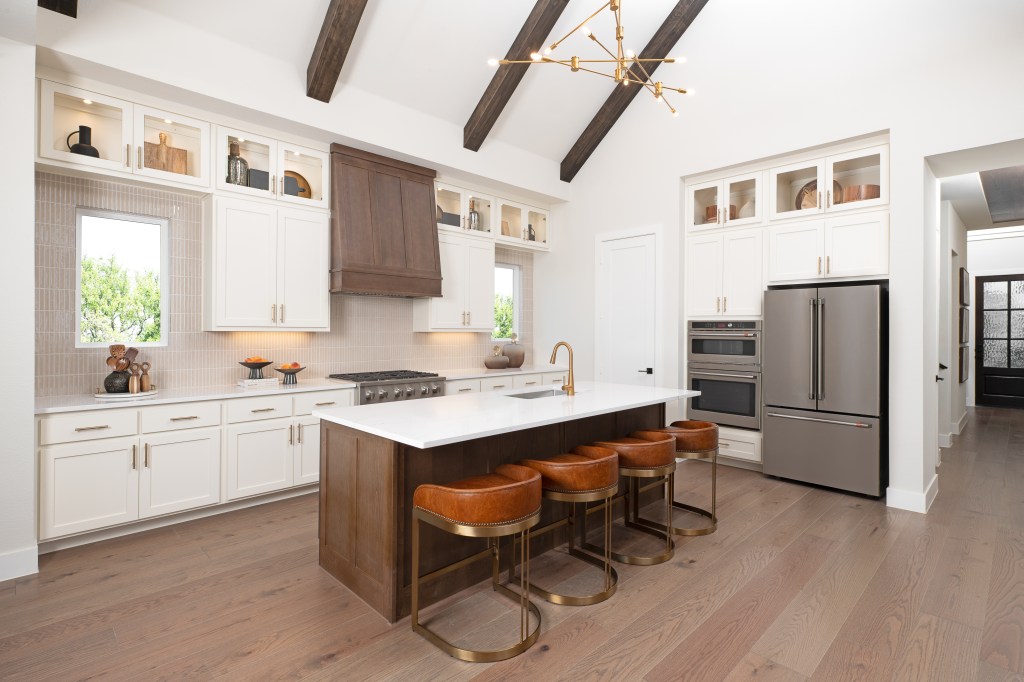
- Cabinet & Countertop Glow-Ups: Warm, neutral-stained cabinets with modernized Shaker details and thin, compressed porcelain countertops with rich, natural stone, like veining, are shaping 2026’s most in-demand kitchen looks.
- Maximizing Design, Minimizing Space: Gen Z homeowners are prioritizing bold, personality-driven style in smaller footprints as spaces like offices and hallways continue to shrink.
- Vintage & Heritage Finishes: Warm metals, wood-accented hardware, and mixed finishes are making vintage-inspired lighting, plumbing, and hardware more mainstream.
- Sleep Divorce & Separate Bedrooms: Health-conscious and sleep-deprived couples are embracing separate or flexible bedrooms to support better rest and wellness.
- Walkable Communities: Shaded sidewalks, tree-lined streets, and porch-forward homes are trending as buyers prioritize connected, walkable neighborhoods.
Ashton Woods
Leigh Spicher, Ashton Woods’ national director of design studios, highlighted an additional seven design trends their team is seeing.
- Personal Curation: Homes that are less “look at me” and more “this feels like me.” In 2026, homes are less “Instagram worthy” and more intentionally curated by its inhabitants. This means favorite colors, textures, books, and art are all on display.
- Design Longevity: Homes that will flex and age. Durability. We are looking to settle in and thinking about the future. That includes aging parents, college kids, and not to mention all the hobbies we’ve collected over the last five years. We need rooms for the people we love and the things we love to do.
- Warm Neutrals: Warm color palettes that include soft browns and taupes, even rosy pink. We’re skipping all white walls. 2026 needs grounding, earthy vibes. We’re over lofty ideals. We want cozy real vibes found in warm undertones.
- Soft Geometry: Soft corners, round shapes, and ovals. Arches return. Wingback style is here again. In 2026, we need corners to be less severe. We’re looking for spaces to feel softer. Gentler. Easier. Softer angles help.
- Statement Cabinets: 2026 loves color and it’s transcending paint and furniture. Green cabinets will be found across the green spectrum, from bright and playful to earthy and matte. You can expect to see black cabinets emerge as we embrace being bold with design.
- Light Woods: Lighter wood tones, that are matte finished or rustic. In 2026, our wood tones are warmer, but also lighter in tonality. We see this on cabinets and on the floor. I personally love lighter flooring and that makes way for other contrasting elements, like darker metals.
- Stone Revival: Stone backsplash and floors are back. We love marble and travertine looks. Terracotta will find its way back too. 4×4 and 6×6 square will have moments but solid, seamless looking slabs are also here.
Beazer Homes
The design team at Beazer also chimed in their 2026 design trend predictions, with personalization, universal design, and livability at the forefront.
- Personalization: We anticipate continued demand for personalization, but with more guidance. First-time buyers will still want help navigating the process, while more seasoned buyers may already know what they want.
- Universal Design: We also expect universal design principles to become increasingly relevant as accessibility, multigenerational living, and aging in place continue to grow in importance.
- High-Performance Construction: Energy efficiency will continue to be a key point of interest, especially for its monthly utility savings benefits. That said, it has to be paired with quality and comfort. Buyers do not want to compromise and are expecting builders to deliver both.
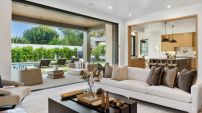
- Seamless Indoor-Outdoor: For indoor kitchens, there is a strong focus on creating seamless transitions to outdoor spaces, including open layouts that support dining and cooking outdoors. For years, design trends emphasized bringing the outdoors in through natural light and biophilic design. Now, we are seeing more floor plans that blur the line between indoors and outdoors, expanding livable space and allowing homeowners to entertain more people at once.
- Storage Solutions: AI-assisted inventory systems that track usage and suggest restocking are gaining interest. Floor-to-ceiling cabinetry is also becoming more popular, offering vertical storage even in spaces like laundry rooms. Upper cabinets are increasingly used to store holiday platters, bulk paper goods, and light bulbs. We are also seeing an emerging trend of replacing under-the-stairs closets with built-in drawers, which provide a clean, seamless look with push-to-open mechanisms instead of external hardware.
- Overall Livability: From front-control appliances to walk-in showers and wider doorways, people want homes that support their lifestyle at every stage of life.