Building houses is so much more than the physical product—there are tangible effects that last for years. Magali Delmas, professor of management for the UCLA Institute of the Environment and Sustainability at the UCLA Anderson School of Management, speaks to the corporate social responsibility that builders have to deliver product to ultimately have a positive impact on home buyers.
In this quick video, Delmas outlines both the environmental and social aspects of responsibility that builders should be thinking about in their business. Through her research, she is gathering information that will help housing providers better understand the impact of their product, and then, how to communicate it to the homeowner.
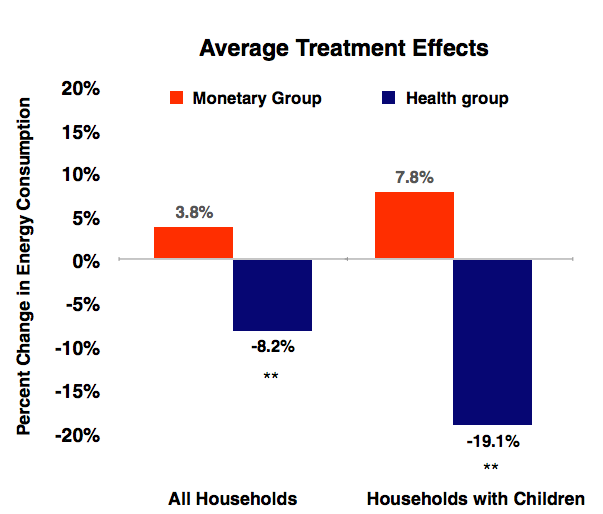
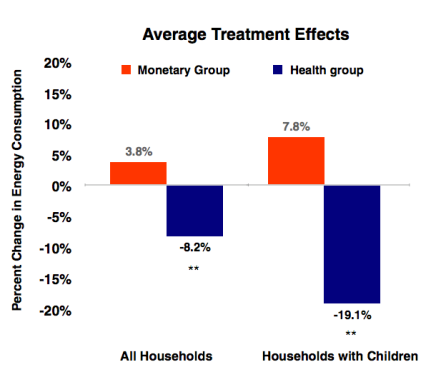
In addition, Delmas authored a recent publication, “Nonprice Incentives and Energy Conservation,” which reports that getting consumers to invest in sustainable practices was a consequence of communicating a positive impact on their health and well-being. Her specific research found that consumers changed their behavior 8% more when communications were about their health versus when they were about cost savings.
Nonprice Incentives and Energy Conservation
Consumers changed their behavior 8% more when communications were about their health versus when they were about cost savings.
Delmas was cited in a recent UCLA Newswire story…
More and more when I look at successful green products in the marketplace, better health is a big driver for that success. We see that very clearly when people are interviewed about why they’re purchasing organic products—the lack of chemicals, a perception of better nutrients.
But even with behaviors like energy conservation, where it’s not obvious to make the link, we still found that people responded to health concerns more over time than to the prospect of saving money.
She goes on to say that it’s not just the content, but it’s also the timing of delivery—when and how frequent.
The research suggests that the closer we can get information to our decision points, the more it will impact those decisions. When I don’t wear a seat belt in my car, an alarm goes off immediately, reminding me to do it. But when you get a monthly electricity bill, it’s really hard for you to relate that to what turning off this computer or those appliances might mean. We need to bridge that gap.
We also think it’s just as important to provide information at a frequency high enough to match the repeated decisions we make every day about energy conservation or our behavior in response to air pollution. Providing the information once doesn’t mean it will stick. So making the information available at the point of the decision and repeating it frequently are two important mechanisms.
Getting the consumer involved is just one part of the puzzle, and the other pieces may be more difficult to fit together. First, there is the testing. Then there is working within standards, which are constantly changing and inconsistent.
Health and well-being is broad, and also includes things like water usage and air quality. Delmas says that measuring water usage isn’t easy, but there have been some new ways developed to help get closer to an accurate solution. A critical element that makes these measurements a challenge is the diversity of standards that are guiding the industry today. Delmas argues that there should be a standard that is easy for builders to follow and easy for consumers to recognize. There are some out there that have become consistent, like LEED and Energy Star, but there is not one that exists for health.