The standardization of cable is significant, notes Cerasulo of Leviton. Although structured cabling came about to support commercial phone systems, it was pushed to the residential market by distributors and cable manufacturers. “Because the pipes are standardized, you can go from point A to point B,” he says. That means manufacturers of security, entertainment, and home control products don’t have to worry about the pipe. They can concentrate on making the next big thing whether it’s a game player, a DVD player, or a multimedia server. “They have a clear idea of how their products will fit into a properly wired home,” Cerasulo says.
Because the pipes are basically the same, manufacturers are coming up with add-on applications to make their structured wiring packages more attractive to builders and homeowners by selling structured wiring as a means to a better lifestyle. And with more suppliers hoping to carve out their share of the pie, costs of entry for wiring packages are coming down for consumers.
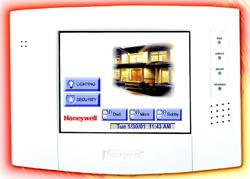
Honeywell’s FutureSmart brand is representative of the evolution of structured wiring. Starting with a wiring hub for low-voltage products 10 years ago, FutureSmart now includes security, intelligence, and a server for music and home control. The ability to control climate, security, and audio brings with it the need for simplified room control. FutureSmart offers graphics-based keypads for each room. In addition, by integrating the phone system, homeowners can control temperature, lights, music, and more using a telephone—from inside the house or on the other side of the world.
In the house, you can instruct the server to play all the jazz tunes in your collection for a dinner party. Before you come home from work you can call the house from the cell phone in the car and have the garage and kitchen lights greet you. On the audio side, FutureSmart offers basic and upgrade audio systems: the standard system comes with volume controls for each room. The upgrade six-zone A-BUS system runs high-quality line-level audio to each amplified keypad.
Greyfox starts homeowners out with a 20-inch wiring can, a four-port router to network PCs, a video distribution module that sends cable or satellite TV to eight rooms, and four phone lines to eight locations. They can upgrade to a larger panel and add a video server and security cameras. The IP video server works over the Internet. Homeowners can view their pool area, baby’s room, or front door via the home’s video cameras on a PC connected to the Internet.
As long as the structured wiring infrastructure is in place, consumers have a wealth of options. But, warns Cerasulo of Leviton, which has a stringent training and certification program for its installers, “the system is only as good as the person who puts it in. The quality and integrity of installation trumps any differences in product.”—Rebecca Day specializes in writing about home electronics. She can be reached at customhomerd@aol.com.