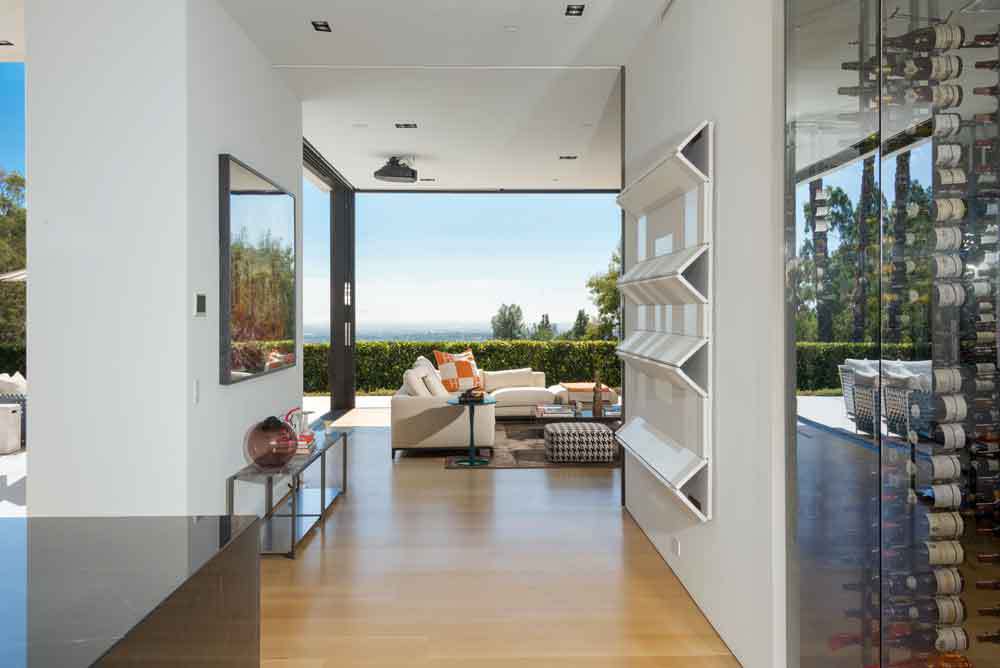
In homes of all shapes and sizes, living spaces are opening up to dedicate more open square footage to gathering and entertaining. Both indoors and out, homeowners are upping the game on lifestyle amenities, including indoor-outdoor kitchens, beer taps, and—in increasing frequency—clever solutions for displaying and aging wine.
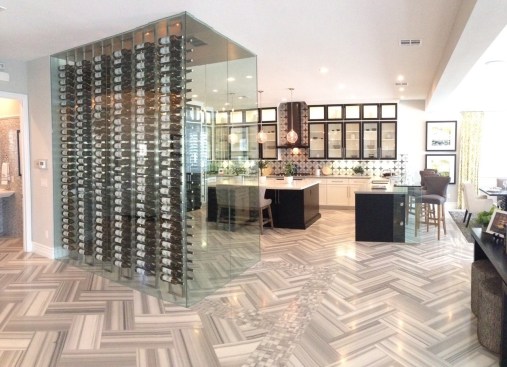
A 2017 NAHB report named unique wine storage one of the year’s most prominent home features. Ranging from floor-to-ceiling open or glass-enclosed nooks, as well as customized wine racks and under-stair-storage, wine cellars—previously reserved for custom projects—are taking shape as a desired trend and feature across high-end production homes nationwide. Here, Jacob Harkins, marketing director at Denver, Colo.,- based manufacturer VintageView talks with BUILDER about what to consider before beginning to build.
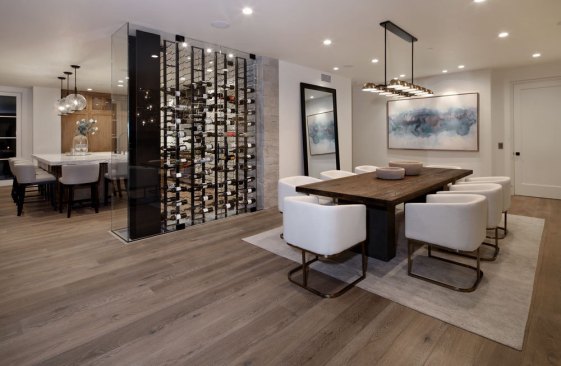
Courtesy VintageView/ Jeri Koegel
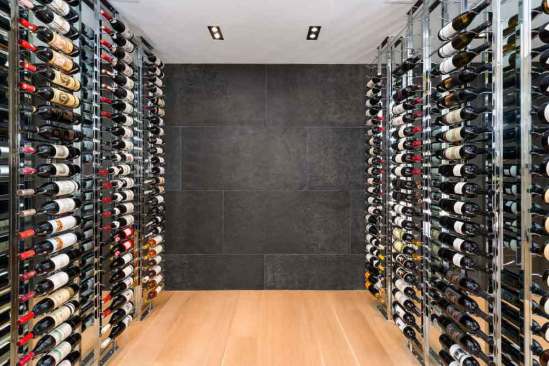
According to Harkins, the most basic decision to kick off the wine cellar or display planning process is to figure out whether the client needs to add climate control (cooling and humidity). If so, that indicates a larger scale project that can take weeks, or even months, to build and warrants a higher price tag. On the flip side, passive racks can be installed in a matter of hours. How do you know if you need an active cellar (cooled) or passive (ambient)? Ask the client the following five questions:
How long are wines being aged?
This question is paramount, as the principal reason for climate controlled cellars is to store wines for the long haul (spanning from anywhere between five years to decades). Steer toward passive when the answer is weeks, months—possibly a year or two. Steer toward active when the answer is long term, such as years or decades.
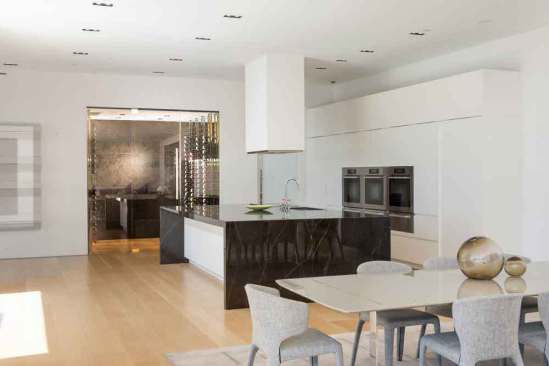
Courtesy VintageView/Michael McNamara/Shooting LA
What is in the collection?
While the first question starts to define the type of wine being stored, this will provide further affirmation that you’ve picked the right path. Steer toward passive when the answer is commonly available wines. Steer toward active when the answer includes vintage Bordeaux, Barolos, wines picked up at auction, or cases from annual trips to wine country.
What is the collection turnover rate?
VintageView borrows this term from the restaurant industry, but it works for homeowners, too. Essentially: how quickly does the collection turn over and get replaced? Homeowners should think about the frequency of entertaining compared to their bottle count. Steer toward passive when the homeowners are frequent entertainers that will use the cellar for storing their reinforcements. Steer toward active when the answer references a Wine Spectator timeline.
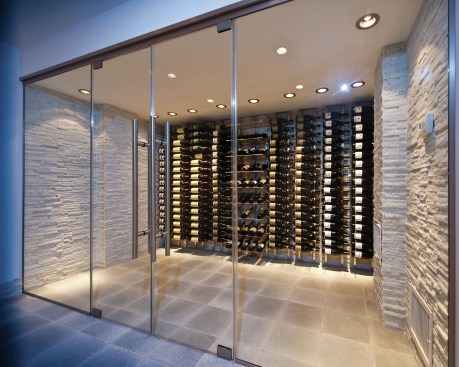
Courtesy VintageView
What are the long-term collection goals?
If you or the client has already indicated active, skip this question. This is more important for the casual collector who may want to expand in the future. Steer toward active when the client has plans to develop a sophisticated collection over the next several years.
Courtesy VintageView
Where is the space, and what is the climate?
Even if you have defined the client as someone who needs an active cellar or passive option, the location of the display can change that.
If you’re set on a passive wine display but the dedicated wine wall gets hit with direct sunlight and often reaches temperatures 10 degrees warmer than the rest of the house, that heat and sun can ruin a wine even in very short term storage. Glass or wall the wine in, and make it an active system.
Adversely, if a climate-controlled wine cellar seems to be the right choice, and the location is an unfinished basement that keeps a cool 60 degrees year round with a touch of constant humidity, why not build passive and save some budget? Even the best vintages can last decades here—this is basically how the old European wine houses have stored wine for centuries.
Courtesy VintageView/Michael McNamara/Shooting LA