Casey Dunn
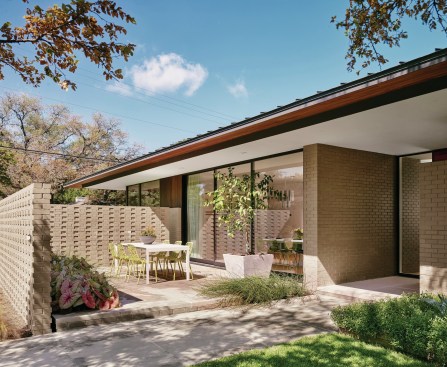
When the devil is in the details, it’s important to get them right. Though its bones are that of a contemporary ranch-style house, the Laurelwood Residence, designed by Austin, Texas, firm Alterstudio as a spec home, incorporates the geometry, consistency, and detail that lend it a distinctly midcentury modern sensibility.
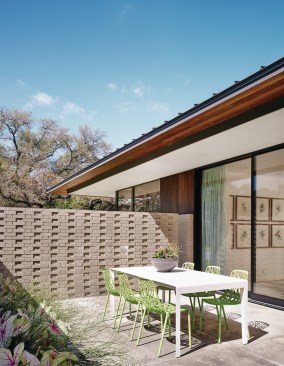
The firm, led by partners Ernesto Cragnolino, Kevin Alter, and Tim Whitehill, crafted an L-shaped layout that opens onto a central, private courtyard, pulling the outdoors in. Carefully using every inch of the 4,136-square-foot structure as functional space, the design includes plenty of pockets for conversation, entertaining, and lounging. In contrast to open-plan, great room–style layouts that feature direct paths between the front door and the rear yard, this home is designed to encourage a procession through a series of spaces enhanced by multiple sources of light and views.
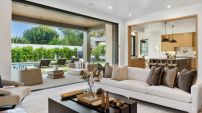
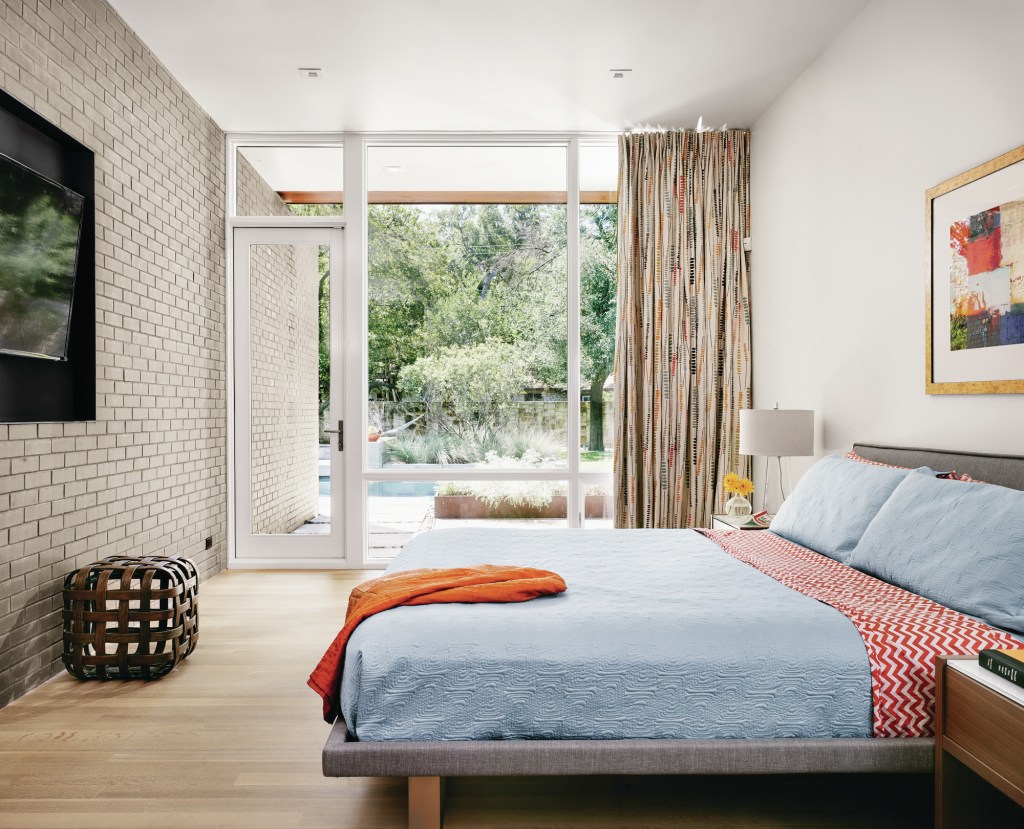
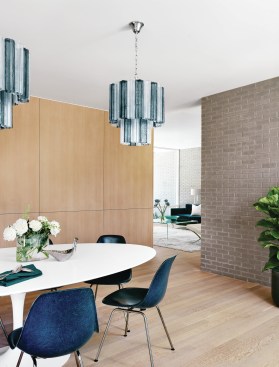
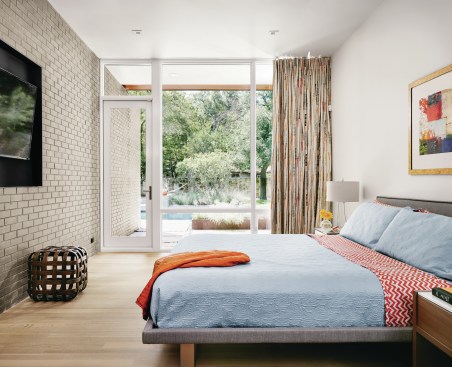
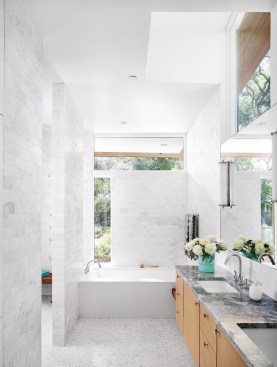
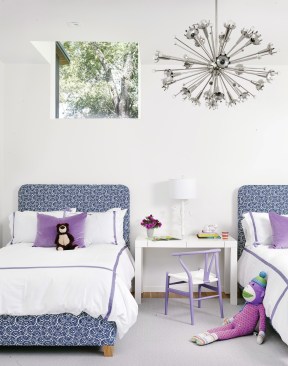
Though the architects avoided using corridors to maximize the overall sense of space, the design bears a planned sensibility that uses brick walls to create distinct spaces without closing off any one room from another. Living and family rooms and the master suite open directly to the backyard, but the children’s bedrooms are designed to be more private, featuring glimpses to the outdoors through clerestory windows that capture views of the trees and allow natural daylight to stream in.
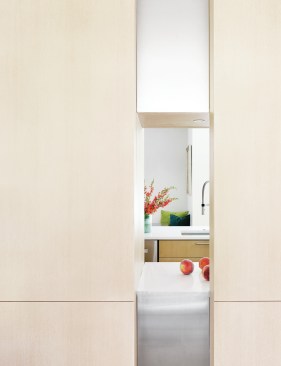
“While interiors should have levels of openness and interconnectivity between the rooms, they should also take into account that certain rooms benefit from being visually obstructed from other spaces,” says Cragnolino, who led the project’s design process. “Maintaining visual connections is paramount, but not so that a mess in the kitchen is on display from the living room.”
Cragnolino finds one of the biggest challenges of designing a midcentury-inspired home has less to do with the cost of the materials, and more to do with the care that is taken with framing and overall planning.
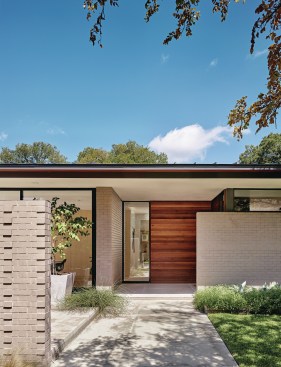
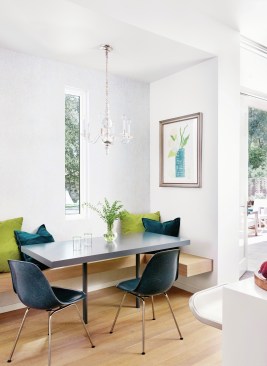
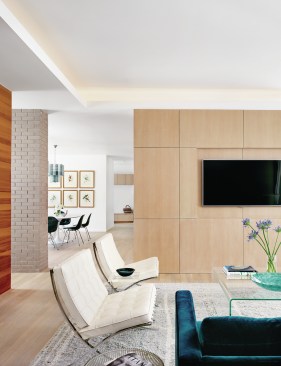
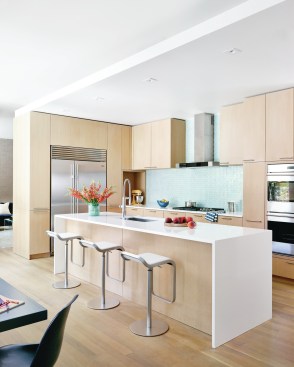
Following a modernist sensibility, the firm established a limited materials palette that’s consistent between both the interior and exterior. To complement use of cedar outside, the team fitted out the interior spaces with rift-sawn white oak floors and cabinets. A mammoth pivoting entry door in western red cedar contrasts against the neutral brick that extends from the inside out to establish a cohesive design.
“In every price point and palette, letting the materials work the way that they want to work and come together logically is key. Even in smaller-budget projects, allowing materials such as brick and siding the freedom to turn corners and make volumes naturally creates organic masonry planes rather than a series of applied surfaces,” says Cragnolino.
Casey Dunn
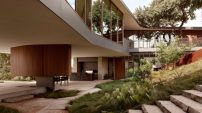
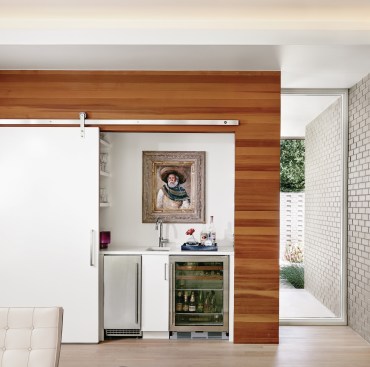
The house’s dramatic 6-foot overhangs, brick walls, plaster ceilings, and oak floors extend from the indoors out. A cedar soffit that breaks free from a stucco plane extending from the interior ceiling adds a sense of lightness. Further midcentury style-inspired details, such as a wall of sliding glass doors and a wet bar concealed behind a sliding barn track, animate the space and provide visual balance by keeping clutter out of sight.
The influences of midcentury modern design throughout this home are, as in many projects, embraced for their ability to work as a flexible backdrop with other styles, trends, and periods. And as husband and wife design duo—and modernist pioneers—Charles and Ray Eames put it, its principles simply offer “the best for the most for the least.”
Project: Laurelwood Residence
Location: Austin, Texas
Architect: Alterstudio, Austin
General Contractor: Alan Muskin, Austin
Engineer: Duffy Engineering, Austin
Interior Designer: Alison Mountain, Austin
Size: 4,136 square feet
Construction Cost: Withheld