Martet Stats:
No.2: fastest-growing city in the U.S. – Forbes
60% Growth of retiree population since 2000 – U.S. News and World Report
No.3: best metros for science and tech professionals – WalletHub
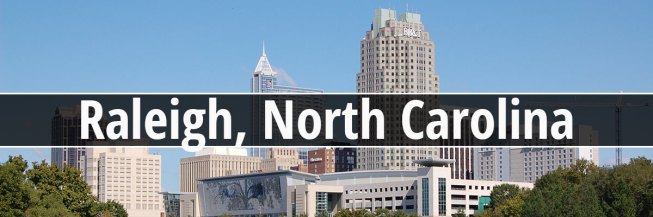
RALEIGH, N.C.
Potential home buyers—both millennials and baby boomers—are flocking to the state of North Carolina and one of its most vibrant cities, Raleigh, named one of BUILDER’s hottest housing markets for 2015.
The state was one of the country’s top destinations for Americans on the move last year, according to United Van Lines, and Wake County, where Raleigh is located, is growing by about 66 residents a day.
People of all ages seek out this Research Triangle city for many reasons: to attend one of the area’s many colleges; to retire to its temperate climate and proximity to the coast; or for access to its diverse employment opportunities including jobs in technology, financial services, health care, and government.
It’s no surprise that in a boom town like Raleigh, the biggest challenge facing local builders is lot availability, says Tim Minton, executive vice president of the Home Builders Association of Raleigh-Wake County, the largest HBA in the country with nearly 3,000 members. “We have less than three months’ supply out there,” he says. “That’s something I thought we would never see again.”
Financing is also an issue for some builders, Minton says. Since the recession, production builders have flooded the market, which is now made up of about 65% big builders such as Lennar, M/I Homes, Drees, and Toll Brothers. “Those who have money can do well in our marketplace” Minton says, but smaller companies often can’t get loans.
Housing prices are still affordable in most parts of town—the average sales price is $218,000—although Minton predicts that will change. “Home prices are slowly going up; I’m surprised they’re not higher now based on demand,” he says.
To meet this influx of residents, county leaders are searching for a solution to the area’s transportation issues, including the lack of a commuter rail system. A final transit proposal is expected this fall.
Once the area’s transportation infrastructure is improved,
it could open up new outer-ring markets for builders and help alleviate the
land shortage. “In the next 10 to 15 years we should always be seeing an
uptick—as long as the lots are available,” Minton says. — Jennifer Goodman