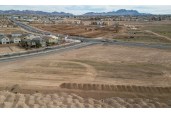
Builders have started 33,572 homes over the past four quarters in Dallas-Fort Worth, 9,515 of which were started in the third quarter of 2019, according to Metrostudy’s executive summary for Q3 2019. Quarterly starts are up 10.7% from the previous quarter and up 6.2% year over year. The market has closed 32,657 homes in the past 12 months, up 2.7% year over year.
Total inventory has fallen to 12,894 units, or 7.5 months of supply. The annualized vacant developed lot count is up 5.8% from last year for a total of 59,772 lots. Over 12,300 new lots were delivered in the third quarter, the highest number since the second quarter of 2006. Over the past 12 months, 62% of the new lots delivered are for homes priced under $350,000.
By The Numbers
Population: 7.5 million
2019 Local Leaders Rank: No. 1
Annual Job Growth: 3.2%
Q3 2019 Annual Starts: 33,572
Q3 2019 Annual Closings: 32,657
Median Sales Prices: $329,000
Average Rental Rate: $1,071 (Forth Worth); $1,207 (Dallas)
Annual job growth rose by 3.2% year over year through Q3 2019, according to Metrostudy, and the unemployment rate has been below 4% for 31 months. In DFW, financial and professional services account for 25.4% of job growth annually.
Metrostudy regional director Paige Shipp attributes the area’s explosive growth to myriad major corporate relocations, as well as many smaller companies taking root. As those firms have come, their employment bases—often from the West Coast—have followed.
The median new-home price in DFW was $329,200 in Q3 2019; the median resale price was $265,000. The price difference between new and resale homes has narrowed in recent years, down to 25.4% in Q3 2019 from 48.5% in 2015.
Shipp says market factors have driven median prices up in the past 15 years, noting that “we were building 60,000 houses a year in 2005, [and] our median new-home price was sub-$200,000. During the pre-recession we were getting maybe 3% price appreciation year over year just because we had so much supply of affordable homes.”
During the recession, new-home and lot development slowed. As the recovery started and buyer demand began to rise, Shipp reports that builders began to push prices higher to stem the tide of demand. When demand didn’t slow, builders pushed prices until 2015, when the labor shortage took its toll on a recovering development cycle.
The market’s affordable product has shifted into what Shipp calls a “new affordable” price range, with a median sales price roughly $100,000 higher than it once was. In response, builders are adjusting their development and site planning strategies. For example, where 60-foot lots are the historic norm in Dallas, new affordable product is arriving on 30- and 40-foot lots.
While Shipp expects consistent market performance in coming years from communities approved and planned today, she thinks a tightening regulatory situation may hamper future growth. Many of DFW’s 212 municipal councils have placed development restrictions within their bounds, such as minimum lot sizes and material restrictions, although new state laws have restricted some of this activity.
“Developers are having a tough time getting deals approved from cities because they don’t want to have smaller lots,” she says. “But if your market demand is not for high home prices, developers will have a hard time getting a lot of these deals in. For the next two years, I think we’ll be fine from a regional standpoint. After that, I get nervous about where we’re headed.”