Creating a sense of place and belonging is the ‘secret sauce’ for master plans and shared spaces like beer gardens do just that. Add in a drink, whether a beer or a coffee, and it becomes a cornerstone for neighbors to gather.
Developers have found that not-so-novel breweries can add intrigue for home buyers, especially Millennials and younger buyers. For Red Oak Development Group, breweries are not a new idea, but they are central to what Mike Miller, executive vice president of real estate and community development, calls “cultural living rooms.”
This idea of a cultural living room ties into “third places” or walkable spaces like breweries, coffee shops, and casual gathering patios that Teri Slavik-Tsuyuki says are vital in today’s residential communities.
“We’re living through what many experts are calling a loneliness epidemic. People are craving ways to feel connected and supported in their day-to-day lives, and if a community can offer that, they’ll have a real advantage,” says Slavik-Tsuyuki, who is co-founder of America at Home and co-chair of the Global Wellness Institute’s Wellness Communities & Real Estate Initiative.
Breweries within residential communities can be a powerful connector for residents. “The addition of a brewery or beer garden can significantly improve a community’s ability to build social connections and create a stronger sense of belonging for residents,” she says. “The fourth wave of the America at Home Study, which surveyed more than 6,000 Americans nationwide, found that 31% of respondents said ‘a community hub with microbrewery, seating, games, patio, stage for live music’ would be an important or very important factor in their decision to buy in a new community.”
The desire also stretches across generations with it being most important to Millennials (34%), followed by Gen X and Gen Z both at 31%. And while the consumption of alcohol has fallen to 54% in August of this year compared to 58% in 2024 (the lowest rate by one percentage point in Gallup’s nearly 90-year record of consumption habits) people can still find beer gardens or the like as a gathering spot whether they have a drink or not.
Brewing Belonging
Miller says, “We design communities around human connection, not just homes. A brewery or beer garden concept fits naturally into our philosophy of building ‘cultural living rooms’ that promote joy, belonging, and everyday interaction. For us, it’s about creating an anchor for social life rather than simply adding another trendy amenity.”
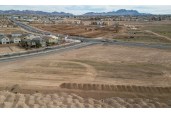
In Lockhart, Texas, Red Oak is developing Moxie, a 589-acre community planned for approximately 2,500 homes. “It’s a place where life unfolds out in the open with porches, parks, and trails all designed to spark serendipity. A brewery fits perfectly into Moxie’s rhythm, because it becomes another place for people to gather, meet neighbors, celebrate milestones, and enjoy the culture. A hyper-local brewery experience also mirrors the spirit of Lockhart and Moxie, which is creative, expressive, and proudly community driven.”
Moxie’s brewery will be integrated into The Crossing, its walkable town center that will blend retail, public spaces, and residential. “A brewery aligns directly with our core vision of prioritizing social ROI alongside financial ROI. We want to cultivate a lively, local hub where you can grab coffee in the morning, work from a shaded patio during the day, and unwind with friends over a beer at the brewery in the evening,” Miller adds.
About the Design
Both Red Oak and Somers West are focusing on indoor-outdoor flow and connectivity to the larger community.
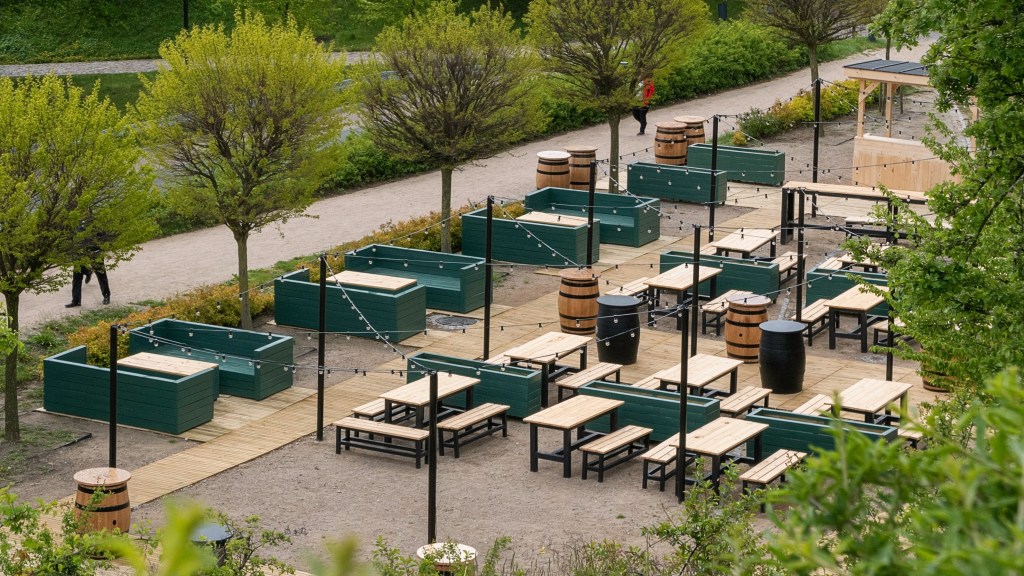
At Moxie, other key elements will include a large, shaded beer garden with fire pits, games, flexible seating, and a space for local musicians and artists to perform. Trails and parks will tie into the area as well as greenspace to maintain privacy and quiet for nearby homes.
The acoustic design strategy will manage sound naturally through plantings, distancing, and architectural buffering, Miller says. Set to be a family-friendly environment, Red Oak will shape the design and experience to enhance daily life without comprising residential peace.
Over in Sacramento, California, Somers West’s 2,667-acre Braden master plan will be home to a brewery at the core of its retail village in its town center. “The decision to include a brewery was inspired by a desire to create an authentic, central gathering spot that serves as a unique amenity and immediate destination for residents and visitors. We recognized the cultural shift toward craft beverages and saw the opportunity to leverage that appeal to enhance Braden’s identity and support our commitment to amenities that encourage social connection,” says Justin Walters, Somers West vice president of land development and project management.
Intended to be a part of the larger retail, food and beverage, and entertainment experience for Braden’s initial market hall building. Walters says, “We expect the brewery to become a spontaneous community hub that offers regular social programming and a comfortable space for neighbors at Braden to connect. It should significantly enhance the sense of place. Our goal is to move away from sterile master planned communities that lack walkable gathering opportunities. A brewery is one piece of the puzzle to help create the type of social fabric homebuyers are increasingly seeking.
A Pint of Partnership
In addition to serving up pints, breweries set in communities can also brew up programming and partnerships. At Moxie, Red Oak plans for collaboration with local chefs, pitmasters, makers, and artists, along with live music, educational events, and season festivals. Red Oak also wants to explore educational partnerships with local schools or culinary programs and fundraising events tying to Red Oak’s TEACH program, an initiative that helps make homeownership possible for local educators.
The brewery at Braden will host farmer’s markets, game nights, fundraisers, and resident-focused events like ‘meet the brewer’ evenings. “We anticipate Braden’s brewery will become a key driver of community partnerships and programming, playing a significant role in everything from farmer’s markets and food trucks to game nights and holiday festival,” says Walters.
All of which mash well with belonging and the sense of community developers are trying to create. “A brewery is a magnet for social life. It brings residents, neighbors, and visitors together in the most organic way. For buyers, it signals that the community is designed for living, not just sleeping or working,” says Miller.