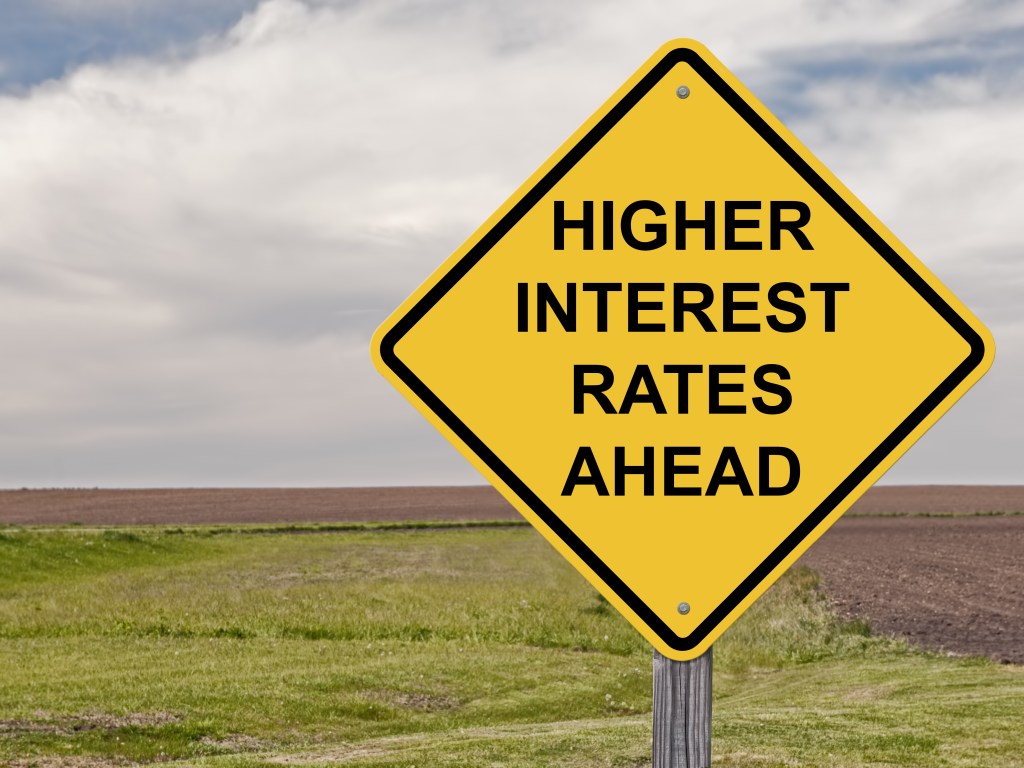
Rising long-term interest rates and soaring market volatility are not enough to alter the forecast for strong 2.7 percent real GDP growth in 2018, according to the Fannie Mae Economic and Strategic Research Group’s February 2018 Economic and Housing Outlook.
“With long-term Treasury yields hitting multi-year highs in February and equities experiencing a sudden repricing, downside risks to the forecast are present, particularly if the recent stock market declines are sustained and prove contagious to other markets,” the GSE said in a statement. “Strength in economic fundamentals continues to underpin the current forecast, including recent momentum in domestic demand and a historically healthy labor market. Consumer spending surged in the fourth quarter due to unsustainably strong replacement demand for vehicles damaged by the hurricanes. With that demand satiated, spending growth should moderate in coming quarters but remain the primary driver of headline growth, in part due to increased disposable income from the tax cut. Meanwhile, the generous depreciation provisions of the Tax Cuts and Jobs Act should spur strong growth in capital expenditures. Given that the economy is already approaching full employment, the passage of deficit-financed stimulus in this year’s budget will likely stoke additional overheating concerns. Finally, we expect the first rate hike of the year at the March Fed meeting, a move fully priced in by the market, with continued gradual monetary policy normalization under the new leadership of Fed Chair Jerome Powell.”
“Fiscal Policy and the Fed: Stimulus/Response – our 2018 theme – will be paramount in the months ahead as the economy navigates newfound turbulence and heightened inflationary concerns,” said Fannie Mae Chief Economist Doug Duncan. “While our 2018 growth forecast remains unchanged, upside and downside risks are emerging that are contingent on those policy influences. Legislatively, stimulus from tax reform and the recently passed budget could add to growth. However, if additional growth is accompanied by signs – or even fears – of inflationary pressure, it could complicate the Fed’s attempt at a ‘soft landing’ and may require more aggressive monetary action. On housing, we upped this year’s 30-year fixed mortgage rate forecast by 30 basis points to an average of 4.4 percent during the fourth quarter as a result of the unexpected spike in long-term interest rates at the start of the year. However, we don’t expect rates to play much of a role in total home sales, especially with anticipated stronger disposable household income growth. The ongoing inventory shortages should continue to constrain sales despite otherwise ripe home buying conditions.”