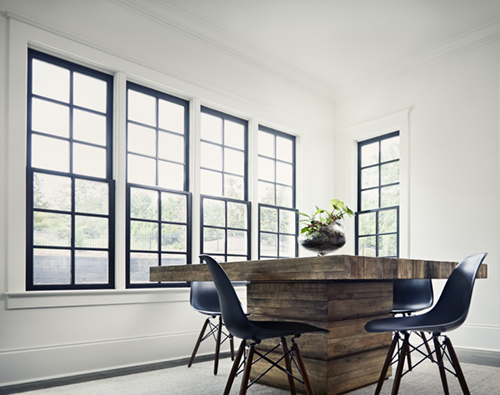
When it comes to buildings, windows present a conundrum: we love the views and daylight they bring, but the more you have, the less efficient the building envelope.
How do you ensure the best of both worlds? Proper installation. Because no matter how efficient the window itself is—how high the U-factor or how many panes it has—a window that is simply slapped into an opening will leak like a sieve. Poorly installed windows will leak air that drives up energy costs and will let in moisture, which can lead to mold and indoor air quality issues while decreasing the durability of the entire wall cavity.
Turn to your manufacturer as a resource and follow all installation instructions. The latest version of the Energy Star program requires that certified window products include instructions for installation, including proper flashing techniques.
Here are the most critical areas of window installation as they pertain to energy efficiency and protecting the building envelope against moisture infiltration.

Integration with the building envelope: Though it’s crucial to install windows square, level, and plumb, proper integration of the flashing with the drainage plane is just as critical to prevent air leakage as well as avoid moisture intrusion. The best way to ensure proper integration is to create a complete mockup of the window and wall section with input from the full design team.
Proper flashing: Follow all instructions and sequencing from the flashing manufacturer to ensure proper integration between the window and the drainage plane. Proper sequencing will ensure the flashing doesn’t create a pathway for moisture to get behind the window. Flashing materials and protocol are different for the sides, head, and pan, so be sure to follow instructions from start to finish. When placing the windows, tip them in to avoid tearing or otherwise compromising the flashing.
Seal properly: Proper air sealing provides additional redundancy to control air and water vapor, an essential step for meeting energy codes as well as the demands of homeowners.
Choose the right sealant: A 99-cent tube of caulk won’t cut it. The sealant needs to be compatible with the substrate and the life span of the window to ensure it won’t wear out before the window does and that it can accommodate joint movement. Always follow manufacturers’ instructions for the type of sealant to use to confirm both compatibility and performance. When installing the sealant, prepare the surface properly to ensure proper adhesion.
Ensure continuity with the weather resistive barrier: Continuity between the windows and the barrier prevents air, water, and vapor from penetrating around the window. Here, a mockup of the wall cavity can help. Ask a representative from the weather resistive barrier manufacturer to review the mockup and verify that the window installation process will not void the warranty.