The 55-plus segment continues to thrive but looks much different than it did 20 years ago. Older adults want an experience just as much as a low-maintenance place to live. As GL Homes’ CMO Jill DiDonna mentioned on a panel at Future Place last week, there’s a heavy focus on wellness, programming, and connectivity within 55-plus communities.
Having started its first 55-plus community in 1996, GL Homes, which is No. 43 on the 2025 Builder 100 list, currently has eight Florida communities underway with five of those being active-adult neighborhoods. In Port St. Lucie, Riverland is being developed across 4,000 acres with an emphasis on connected, healthier living.
“When planning Riverland, we knew community connectivity had to be a priority. With more than 4,000 acres and multiple residential neighborhoods, parks, and commercial centers, we wanted to create a safe, convenient way for residents to reach everything Riverland offers without getting in a car,” says Ryan Courson, GL Homes division president of St. Lucie County.
Courtesy of GL Homes
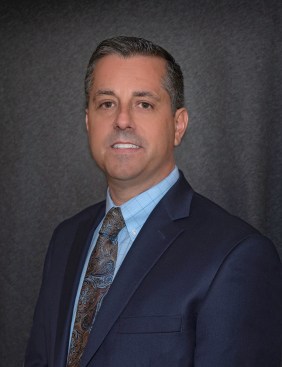
Ryan Courson
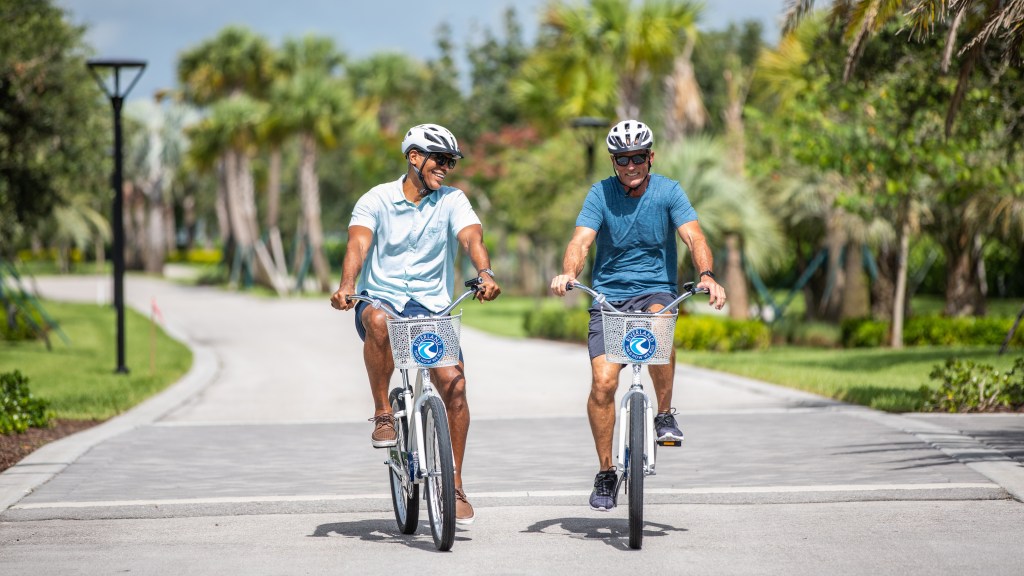
That’s where the Paseo came into play. Designed as a connective thread, the five-mile network of walking, biking, and golf cart paths was inspired by best practices GL Homes studied in leading master-planned communities across the country.
Courson shares more on the Paseo—and other trends in active-adult communities—below.
How will the Paseo benefit the active adult community?
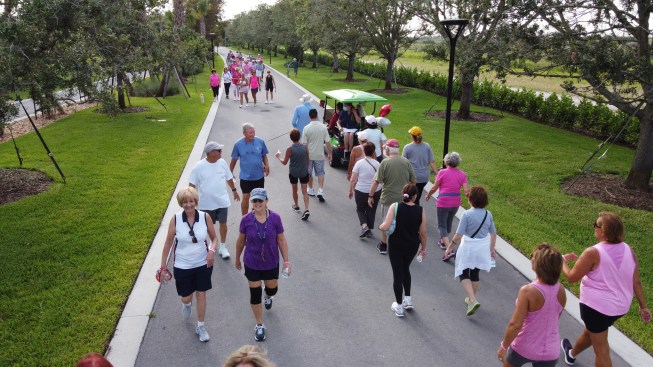
Our Valencia communities, which are 55-plus active adult neighborhoods, focus on active living, and the Paseo takes that a step further. Residents can walk, bike, or take a golf cart to the fitness center, sports complex, arts and culture center, and other amenities without driving. Along the way, they can stop at shaded seating areas, walk their dogs, and meet neighbors, creating both physical and social connections throughout the community.
What makes it different from walking trails or paths in other MPCs?
The Paseo is unique because of its accessibility and design. Every Riverland neighborhood has multiple connection points, usually within a quarter mile of each home, so residents can easily get on the trail system. It is also completely separated from vehicle traffic, with tunnels and overpasses at road crossings to keep pedestrians, cyclists, and golf carts safe. It functions as a true alternative transportation network across the community.
How does GL Homes define mobility?
Mobility means giving residents options. Our goal is to design communities where people can get where they need to go by foot, golf cart, bicycle, or car. We intentionally place amenities, shops, and parks within or near each neighborhood so residents can choose how they travel, supporting an active and sustainable lifestyle.
How did GL Homes collaborate with Port St. Lucie on the project?
The Paseo is open to the public, and we worked closely with the city of Port St. Lucie to ensure it connects to the city’s larger trail network. That collaboration included design input, coordination with public works on overpasses and underpasses, and aligning our system with the city’s long-term mobility goals.
How is the Paseo maintained? By the city or Riverland?
Riverland is responsible for maintaining the entire Paseo system, including landscaping, lighting, and infrastructure.
Courtesy of GL Homes
What phase is Riverland’s development in?
Riverland is approved for 11,700 homes and is about one-third complete. Development began in 2018 with Valencia Cay, and we are now selling our fourth community, Valencia Parc. During the past 18 months, we also opened our first commercial center, expansions at our two master amenity campuses, and a new city park, marking important milestones as Riverland continues to grow.
Are there any trends GL Homes is seeing in active adult communities?
Active adult residents are more health-conscious and socially engaged than ever. Fitness, wellness, and social programming are top priorities. Our amenities include resort-style pools, fitness centers, pickleball and bocce courts, bars, restaurants, and entertainment venues that reflect a demand for vibrant, wellness-driven living.
What about trends that are not as desirable now?
Traditional activities like card rooms and tennis have become less central. Pickleball has largely replaced tennis as the preferred sport, and residents now favor more dynamic and social spaces over passive recreation.
Are there any concerns for the active adult development sector?
The 55-plus market remains one of the strongest segments in housing, driven by baby boomers and Generation X seeking active lifestyles. The main challenge is interest rates, which can affect buyers’ ability to sell their current homes before moving into a new one. Overall, the sector is healthy, stable, and positioned for continued growth.