Robert Reck
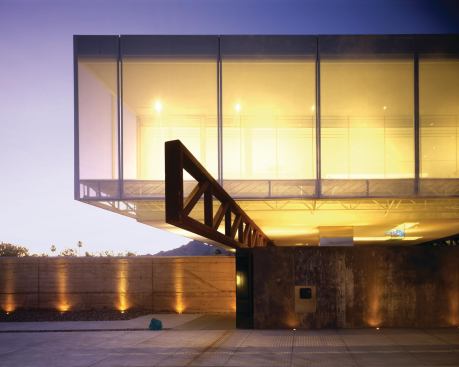
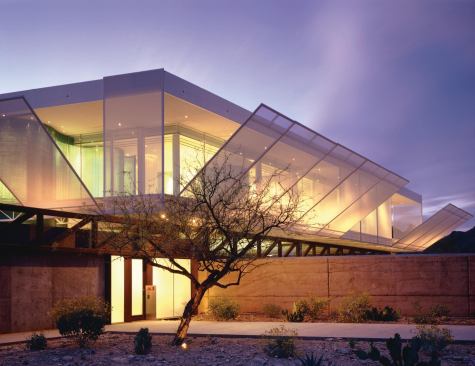
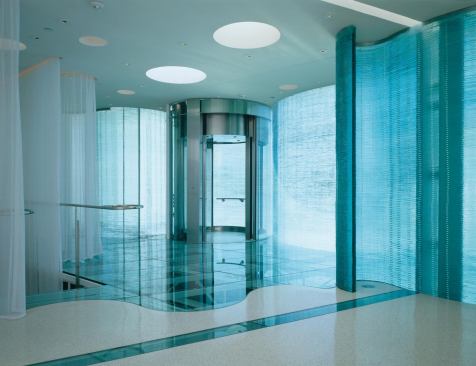
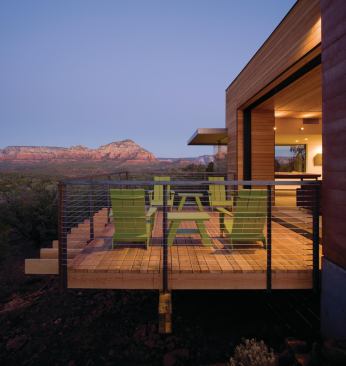
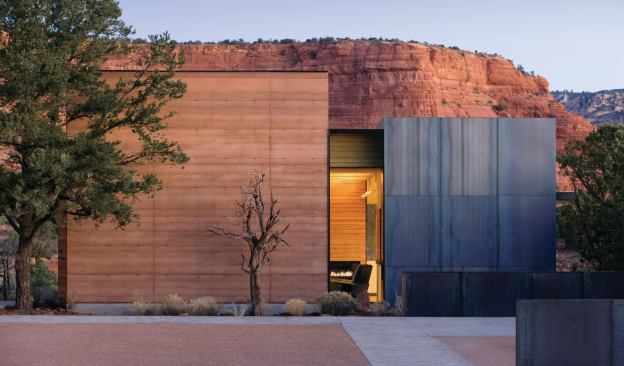
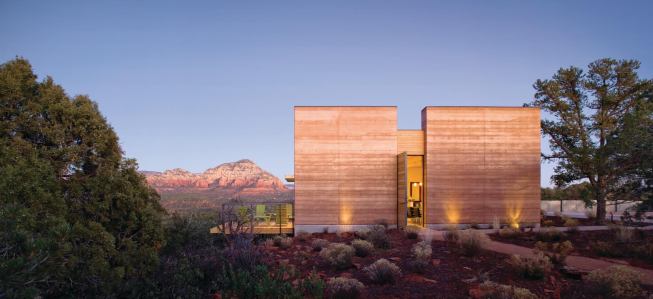
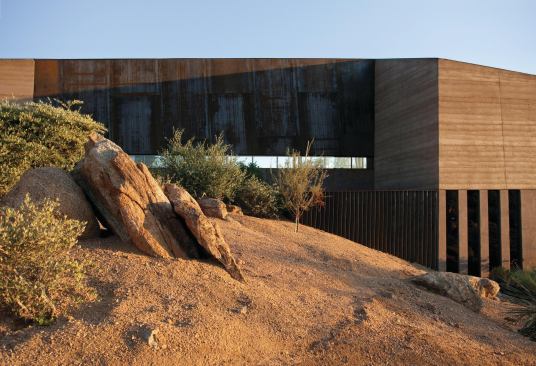
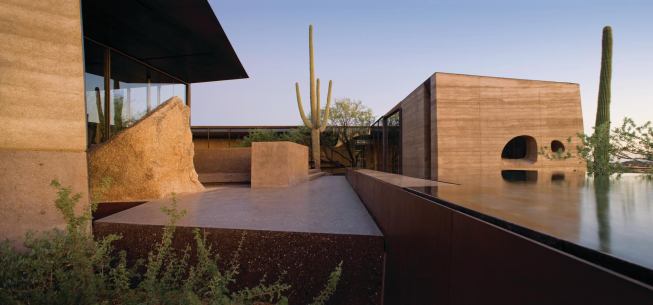
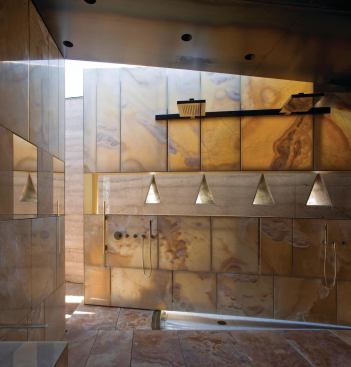
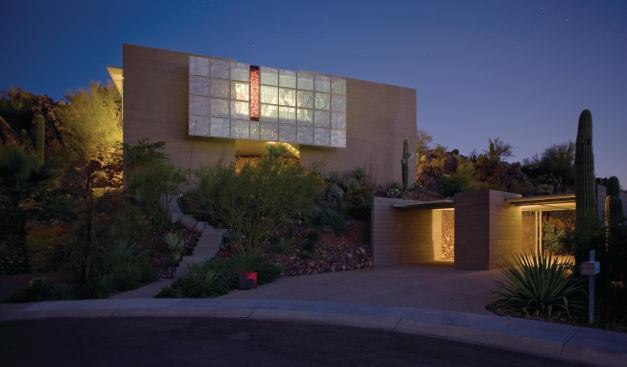
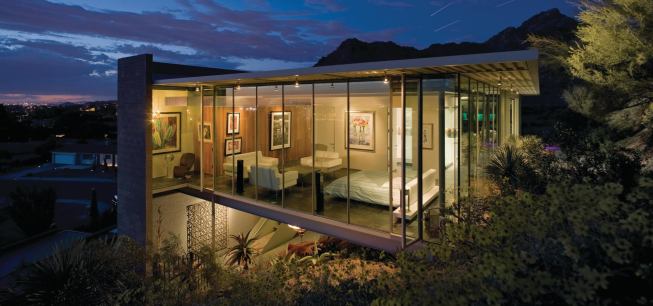
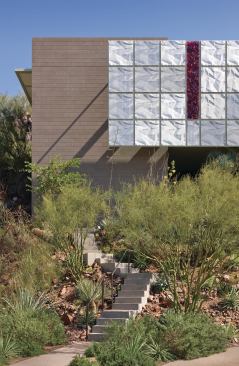
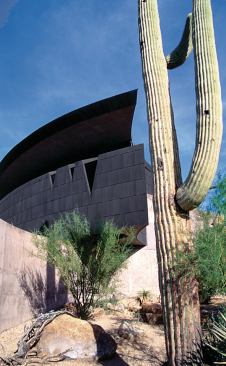
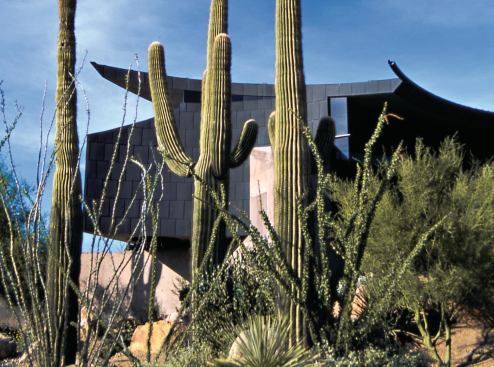
Dubbed 3300 by its builder, this 30,000 square foot building hou…
Convertible Talents
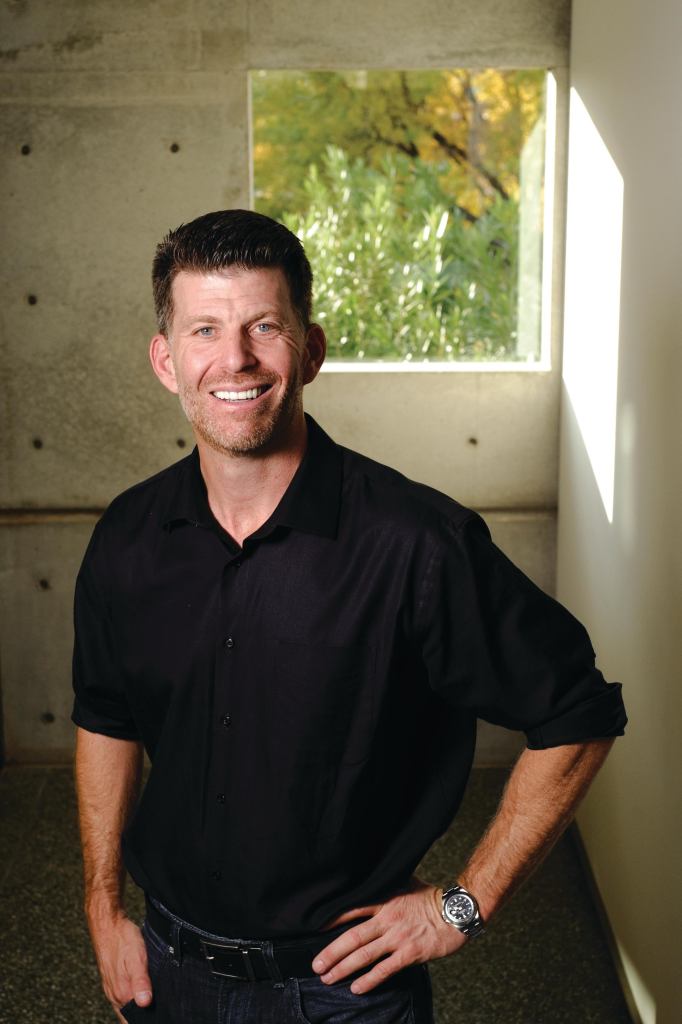
Byrnes is a prodigy not only at making stuff, but also at making businesses that make stuff. And just as environmental stress drives the evolution of new species, the stress of the recession seems to have spurred Byrnes not only to adapt his primary business, but also to generate new ones.
The CZ office occupies the top two floors of a three-story, glass-walled building on a major downtown business artery. Designed and built by the company, it’s furnished with construction-themed original artwork and CZ-made furniture of black steel and white oak. Half a dozen young employees work at CAD stations in a sunny room with a high ceiling of black steel roof trusses. Byrnes and his partner, company CFO Michael Groves, share a separate corner office nearby. Sitting at mirror-image desks, each with a drafting board and separated by a concrete conference table, the two banter comfortably as they work. New-agey piano music pours from an iPod on the desk between them. “Hey, you trying to put me to sleep with that?” Byrnes asks, without looking up from his email. Groves finds some alternative rock and turns back to his computer. Groves, 45, is a builder’s son who became an architect after a first career managing restaurants. That business experience, and his undergraduate degree in finance, are unusual in architecture, he notes. “And they’ve been very helpful.”
Office manager Jessica Ruiz pops in with flight details for Byrnes, who is heading to Oakland, Calif., for a meeting on a restaurant deal. CZ is a partner in a restaurant development company that offers investors everything from concept and design to construction and staffing. “We’ll basically open a restaurant for an owner,” Byrnes says, “even run it for them if they want.” The outfit, called Les Bon Temps, has one project under way outside Boston and three more in northern California. While Groves taps out numbers on the Oakland deal, Ruiz reminds the partners that they have an engagement in town later in the week. “We just won the AIA commercial award for this building,” Byrnes explains, “so we’re going to a banquet for that.” Groves pushes a paper toward Byrnes, looking quietly impressed, and says, “That doesn’t suck.” At that moment, Muller arrives to review a draft design/build proposal for a tennis court-and-garage addition. Byrnes explains that CZ maintains a deliberate balance between in-house and outside-firm design. “From a business standpoint, getting more jobs with architects lets us do more,” he says. “If we have three or four houses we’re working on design-wise, it pretty much swamps us, whereas, if five architects came to us today with projects, we’d say, ‘Sure.’” But design/build work has its value, too, because it presents another way for the company to engage its target clientele. The tennis court proposal is a case in point, Byrnes notes. “This is the kind of guy who, if we get in his wheelhouse …” Muller finishes Byrnes’ thought: “Good client.”
The three then turn their attention to customatic.com, the website CZ is setting up to market a line of handsome, minimalist consumer goods of its own design. First up: a wall clock, a set of fireplace tools, and some CNC-cut anodized aluminum clothes hangers. Pulling up the beta site on his desktop monitor, Byrnes lays out the logic of the online retail venture. In construction, he says, “everything we do is a prototype. We build it once, and then it’s done. We thought we might as well sell this stuff.” The company’s in-house resources—in design, prototyping, marketing, and administration—make the project a relatively low-risk proposition. Groves does some quick sales projections while Byrnes puts the product photographer on speakerphone. CZ can pay his day rate, Byrnes tells the man. “Or do you want to have an investment in the thing?” The photographer pauses for only a moment before answering, “I just have a gut feeling about you and the product,” he says. “So, yeah, I would be interested.” Good call.