1
of 3
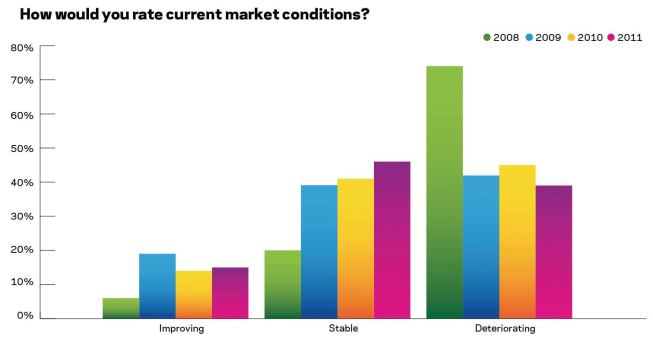
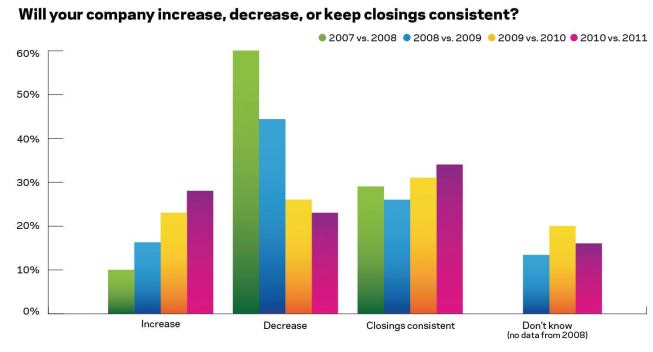
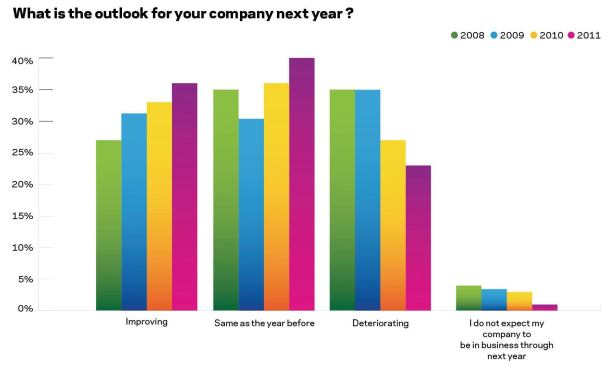
Stopping the Slide More builders still see conditions getting wo…

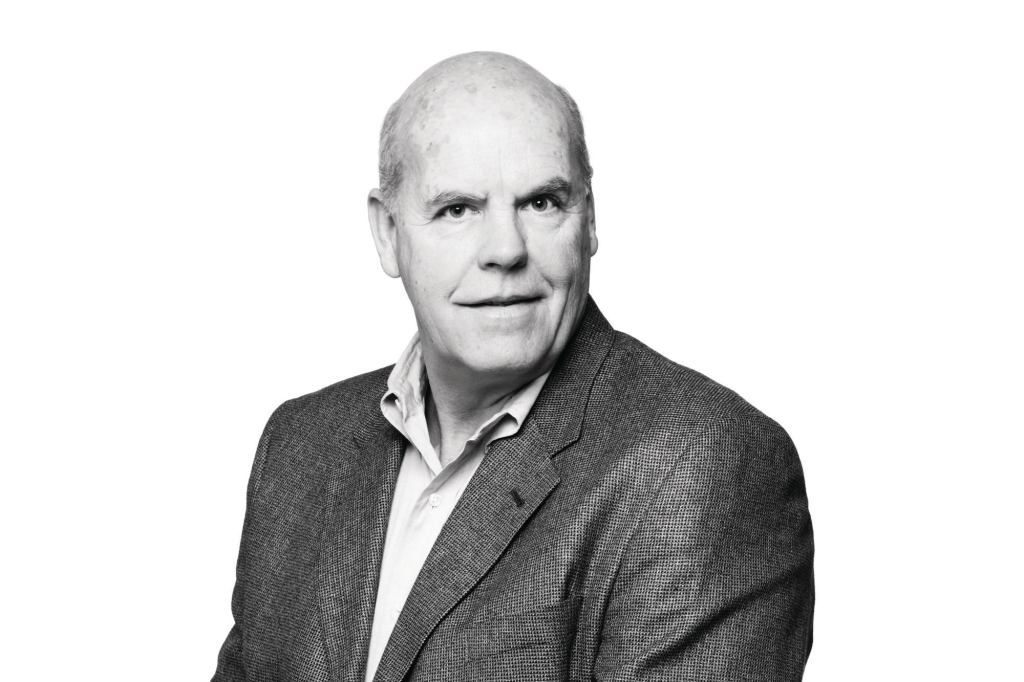
John Gress/Sublime Management
Shifting Down Builder Bob Henderson has fallen back on remodeling and commercial work.
Stopping the Slide More builders still see conditions getting wo…
Looking ahead, Henderson is pinning his hopes on that kind of diversification. “I don’t see anything changing that is going to bring custom homes back into vogue in our area any time soon,” he says.
In the Raleigh-Durham-Chapel Hill area in North Carolina, builder Wayne Holt is looking at a brighter picture. When we first talked to Holt several years ago, he had gone from spec builder to real estate agent—but with a twist. Holt was partnering with an established Realtor to finish and sell unfinished, bank-owned spec houses. Using that strategy, Holt had sold his own back inventory as well as a number of projects started by others, and had even begun to build and sell his own projects again.
“The real estate company is still doing quite well,” says Holt today. “We are marketing one subdivision that has five different product price points, and we’re marketing the higher-end price point—from about $450,000 up to about $700,000. We’re also selling quite a few bank-owned new homes and a lot more bank-owned lots for that company.”
“The construction piece with the banks is pretty much over,” Holt goes on. “The local banks have worked through all of their incomplete inventory. I finished my last bank job last July. So now we’re back to building new homes again—which is what I really want to be doing. We’ve built three this year, closed two of them, and the third one will be closing in a week.”
In good times, Holt says, his company built lots more. “Our best year, we built 13,” he says. “We are now on pace to get back where we traditionally were—between six and eight. But honestly, we’re hoping to get up to eight next year and, depending on how things cycle, possibly to get up to as many as 10 or so.”
Unlike the Andersens and Henderson, Holt is building mostly specs, with just a couple of custom homes in the mix. And Holt has moved upscale: “We used to build in the price point up to around $550,000. Now our price point starts at $500,000 and goes up to around a million. The national players have taken over so much of the $350,000 to $500,000 market locally that I have stepped up to where there are fewer buyers, but there is also less competition and a lot less inventory.”
Holt’s North Carolina market is a relative bright spot nationally. But the area’s strength creates a challenge: competition from national builders with cash to buy developed lots in quantity. For now, there’s room for Holt, he says: “The nationals are buying into subdivisions where they see 15 or 20 or more lots, but they’re not as interested in going in for one or two or five stray lots.”
But as national builders loom ever larger in prime locations, buying out small developers who need to liquidate, Holt is left with a concern for the future: “Over the next two or three years, where are small custom builders going to get our lots from, in the good areas? Because right now, the developers who were putting lots on the ground for us don’t have the cash to develop. In fact, a lot of them are out of business, and the banks have taken them and sold them off to the nationals. So who’s going to put those lots on the ground for us?”
Most builders would probably prefer Holt’s problem (tighter land supplies in a strengthening upper-end market) to Henderson’s (a scarcity of customers caused by downward-spiraling prices and frozen lending). But what will turn frozen markets like Mequon, Wis., into thawing ones like Cary, N.C.? In Gig Harbor, Wash., Abbie Andersen offers the same prescription we heard from many survey respondents: “People need jobs.”
Overwhelmingly, the message from builders this year is: Fix lending and fix employment, and home building will recover. But until that happens, builders are focusing on their own simple goal: staying in business.
Read the full BuilderState of the Industry survey here.