
Tropical Punch
Chad Oppenheim couldn’t bring himself to sell this Miami Beach, Fla., renovation. The Miami-based architect purchased the original 1957 ranch house planning to remodel it and then put it back on the market. But six months before the lushly landscaped project was complete, he decided to keep it for himself and his family. “We fell in love with it,” he says.
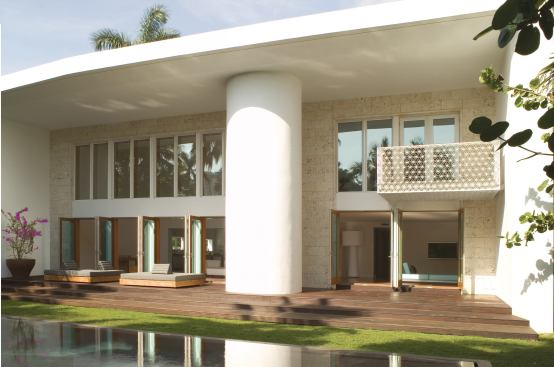
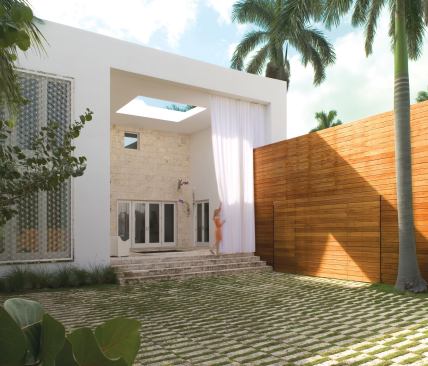
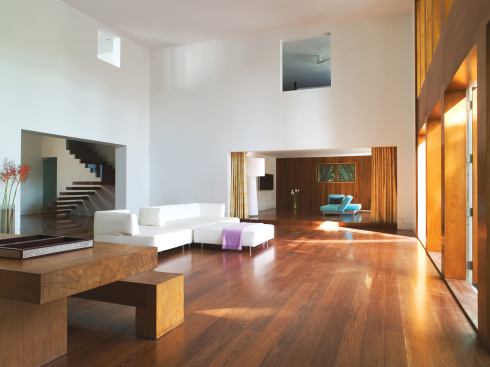
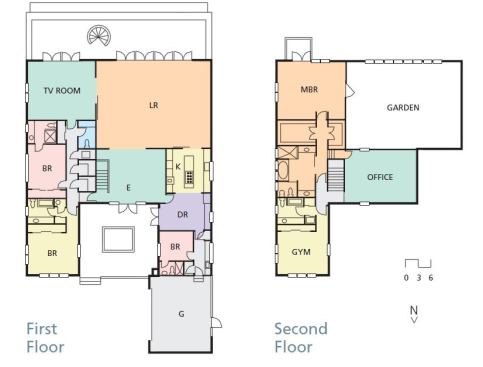
The original house—a pleasant but unremarkable one-story building—wasn’t quite as irresistible as the final product. The structure’s concrete block frame fell short of current hurricane code requirements, so builder Roger Plasencia reinforced it with a combination of rebar and poured concrete spaced 24 inches apart, as well as new concrete footings and foundation walls. Oppenheim blasted open the floor plan, making the interiors feel more like the urban lofts he’s made his name designing. “We really believe in optimal flexibility and openness,” he says. Double-height walls now enclose the front courtyard to create a protected outdoor room. Oppenheim also extruded the rear façade and added a second level for a master suite, gym, and home office. An enormous pillar bisects the rear terrace, supporting the new roof overhang and containing a luxurious outdoor shower.
Oppenheim took the existing neighborhood context to heart. While almost every part of the house is new, from the wood floors to the metal windows to the dramatic plan, the original footprint has changed only slightly. The waterfront house displays clear traces of local architectural DNA, from its cladding of Florida keystone (a fossilized limestone) to the custom, white-painted aluminum screens on its front windows and rear balcony. “The screens were inspired by some of the more beautiful homes around the island,” he says. Project Credits
Builder: TCGI Construction, Miami
Architect/Interior designer: Oppenheim Architecture + Design, Miami
Landscape architect: Geomantic Designs, Miami
Living space: 5,700 square feet
Site: .3 acre
Construction cost: $300 a square foot
Photographer: Ken Hayden
Resources: Bathroom plumbing fittings: Boffi; Bathroom plumbing fixtures: Duravit; Cabinets/countertops: Bulthaup; Dishwasher: Gaggenau; Entry doors/windows: Caradco; Hardware: Valli & Valli; Home control system: Crestron; Kitchen plumbing fittings: Dornbracht and KWC; Lighting fixtures: Bega, BK Lighting, and Boffi; Oven: Gaggenau; Refrigerator: Sub-Zero.
Tudor Revival
When architect Stephen Muse began thinking about this remodel to a 1928 Tudor in Washington, D.C., the idea of obliterating the old house never crossed his mind. “We look at what’s good about what is existing, and what are the problems,” he says. “I very much like doing little things that have a lot of impact.”
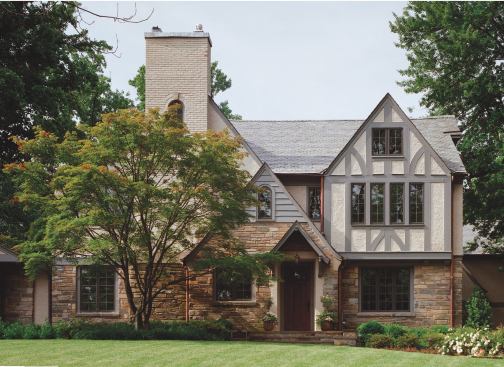
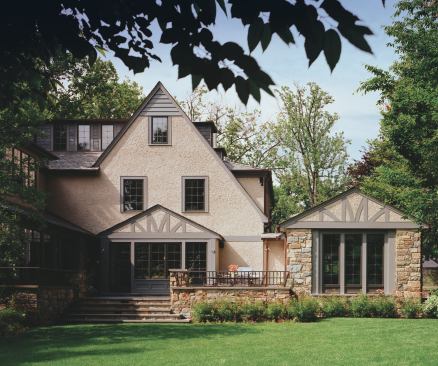
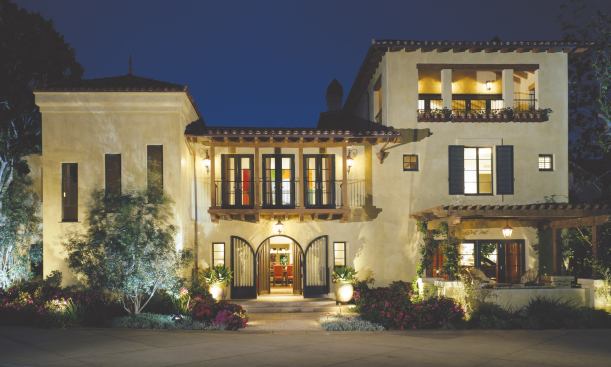
For example, take the elevation changes he and his staff made to the Tudor. They added a small roof atop the entry to provide shelter and a visual link to the rest of the façade. A flat-topped side porch also received a peaked roof, bringing it more into line with the house’s character. On the rear elevation, Muse removed a boxy, ill-fitting addition, replacing it with a graceful continuation of the existing roofline. A newly added family room offers a welcome connection to the made-over rear terrace. The architects also created a fresh exterior color palette, drawing from the blue-grays and sandy hues of the original stone cladding. “We changed the colors to play up the wonderful trim,” says Muse.
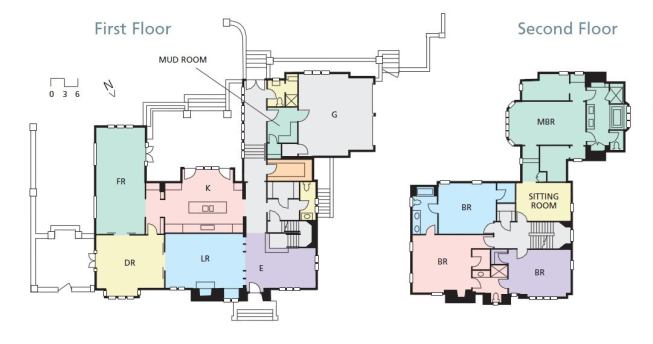
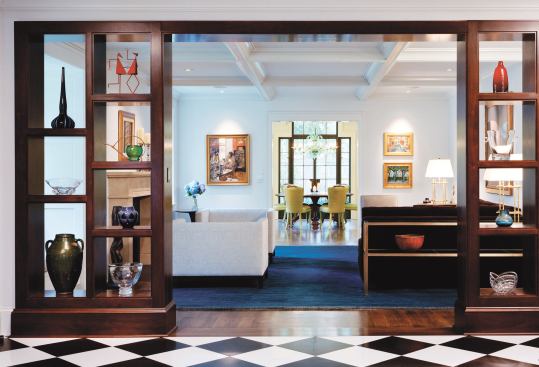
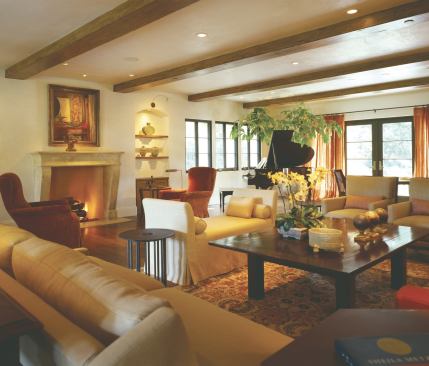
The home’s former layout contained few sightlines to the outdoors, no direct access to the garage, and a claustrophobic entry hall. Muse took control by gutting much of the interior and reorganizing the spaces along a front-to-back gallery. The living, dining, and family rooms surround a central kitchen. The entry segues smoothly into the rest of the first floor, the garage contains two exits into the main house, and plenty of sightlines allow views to the re-landscaped gardens. Bronze-finished metal windows, hand-assembled by builder Robert McNamara, set off the crisp interior design by Miami architect Alison Spear.
Muse also modified the second floor, tweaking bedrooms and adding a master suite above the garage. Despite all the differences from the original house, the remodel never appears radical or jarring. Instead, it seems natural and inevitable, as if the house has finally realized its full potential.
Project Credits:
Builder: McNamara Brothers, Silver Spring, Md.
Architect: Muse Architects, Bethesda, Md
Interior designer: Alison Spear, Miami
Landscape architect: Jordan Honeyman Landscape Architecture, Washington, D.C.
Living space: 6,400 square feet
Site: .5 acre
Construction cost: Withheld
Photographer: Maxwell MacKenzie
Resources: Bathroom plumbing fittings: Agape, Dornbracht, and Kohler; Bathroom plumbing fixtures: Agape, Kohler, and Toto; Dishwasher/oven: Gaggenau; Flooring: Armstrong and Florida Tile; Garage doors: Holmes Doors; Garbage disposer: Kitchen Aid; Hardware: Allart and Baldwin; HVAC equipment: Carrier; Kitchen plumbing fittings/fixtures: Dornbracht and Franke; Lighting fixtures: Ardee, Bega, Creative Systems, and Modular; Paint: Benjamin Moore; Patio doors/windows: Crittal Steel; Refrigerator: Sub-Zero; Security system: Vector.