Radiant Barrier
A radiant barrier is simple: It's just a struc…
Radiant Barrier
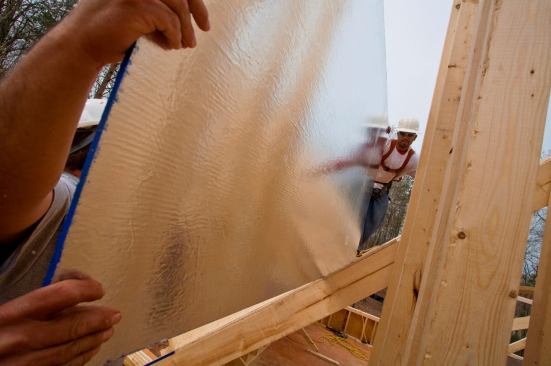
A radiant barrier is simple: It's just a structural panel with a reflective material (usually aluminum) laminated to one side that installs foil side down on a roof deck to reduce heat gain in warm climates. Manufacturers say the panels can block up to 97% of heat transfer through roof sheathing, which lowers attic temperatures and consequently reduces cooling costs by 5% to 10%. Studies say the material ranges from 15 cents to 75 cents per square foot, but you have to install roof sheathing anyway, so why not get one with the foil attached?
Dow Building Solutions
Foam Board Insulation Insulation on the interior is a no-braine…
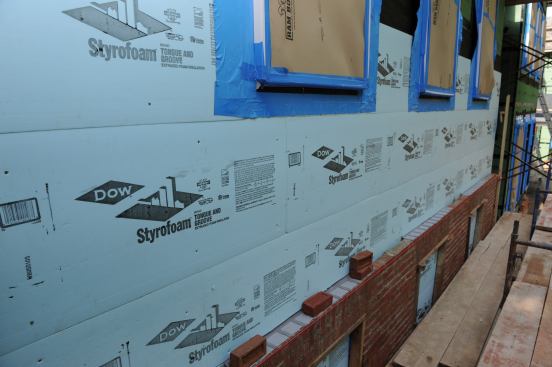
Foam Board Insulation Insulation on the interior is a no-brainer, but a house also will see additional benefits from
rigid foam board insulation installed on the exterior wall or roof deck. In addition to boosting thermal resistance, the product adds to a house’s structural strength and reduces conduction through elements such as joists and studs. Boards range in R-values from 3.8 to 8 per inch of thickness.
Marvin Windows and Doors
Better Windows, Better Placement Energy Star-qualified windows …
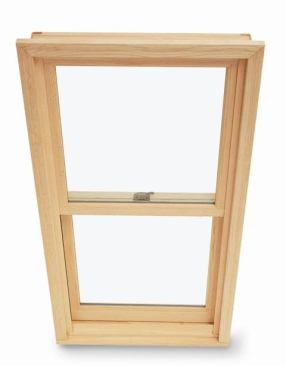
Better Windows, Better Placement Energy Star-qualified windows were more than adequate a short time ago, but with the development of better glazing technology, they are no longer good enough. If the budget permits, get the best climate-specific window you can. The American Recovery and Reinvestment Act of 2009 offers homeowners a tax credit for using replacement windows with a 0.30 U-factor and a 0.30 solar heat gain coefficient. And remember, where you put the windows (and their shading) is just as important as the products themselves.
ARXX Corp.
Follansbee Steel
Metal Roof Asphalt dominates the residential roofing category, …
Metal Roof Asphalt dominates the residential roofing category, but more green building advocates are recommending metal roofs as an energy-efficient improvement. Available in aluminum, stainless steel, copper, or zinc, metal is a durable, lightweight material that’s extremely fire-resistant. No wonder it's the material of choice for so many agriculture buildings. Considered a "cool" roof, a metal roof reflects heat, lowers energy use, and helps reduce the heat island effect. The product is pricey—especially copper, zinc, and stainless steel—but it has a low lifecycle cost, and some states offer lower home insurance premiums for homes with metal roofs.
AZEK Building Products
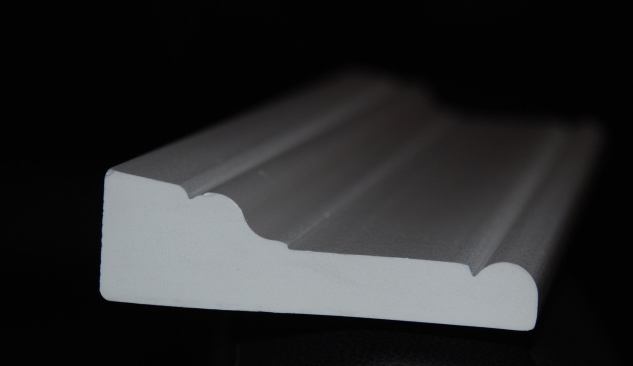
Cellular PVC Trim Wood, the old standby, is a good choice for e…
Cellular PVC Trim Wood, the old standby, is a good choice for exterior trim. But unless you’re using durable species such as mahogany, teak, or cedar, millwork will eventually succumb to Mother Nature. Available as trim, sheets, and corner boards, cellular PVC lumber can be cut and nailed like wood, but it’s resistant to moisture and insects, which means a homeowner will not have to replace it—at least not anytime soon. It can be painted, but manufacturers say there’s no need.
TruStile Doors
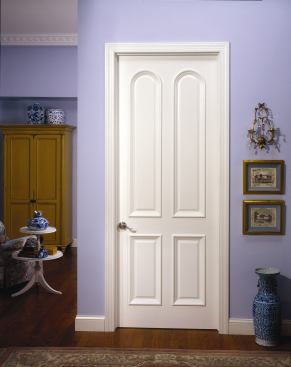
Solid Core Doors A hollow-core door may look acceptable, but ho…
Solid Core Doors A hollow-core door may look acceptable, but homeowners will soon notice how flimsy they feel and how little soundproofing and privacy hollow-core doors truly offer. But, then again, what do you expect for a $30 slab? Solid-core doors are much better. Not only do they sound and feel more substantial to a homeowner, they also exhibit excellent sound transmission properties. They last longer too. Considering that the average new home in 2007 measured 2,407 square feet and had 8.6 interior passage doors, solid core doors will seem pricey at $100. The good news is that the homes that are being built–and sold in the downturn–are smaller and likely have fewer doors. Using solid-core doors only for bedrooms and main bathrooms will also lower costs.
Resolute USA
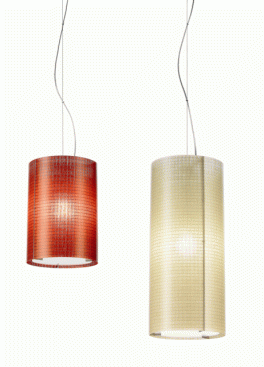
Better Light Fixtures There are a handful of areas where it can…
Better Light Fixtures There are a handful of areas where it can be painfully obvious that the builder took the cheap way out. Inferior lighting is one of them. Here are a few tips: Don’t try to get too fancy. Don’t get brass. Do go for something simple and elegant, whether it’s traditional or contemporary. If money is an issue, focus on a living space that everyone sees, such as the dining room/kitchen or great room. Keep in mind that low-cost and cheap aren’t the same things. You can often find a nice simple light for just a few dollars more than your original choice and get a priceless "wow" factor in the process.
Lutron Electronics
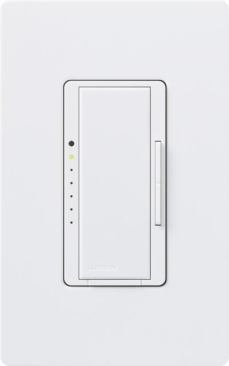
Dimmers Say you haven’t bought into the energy efficiency hyp…
Dimmers Say you haven’t bought into the energy efficiency hype of compact fluorescent light (CFL) bulbs, and your pockets aren’t deep enough for light-emitting diodes (LEDs). For you, incandescent is the one true light. Fair enough, but at least install a few dimmers so your buyers can save some bucks by lowering the intensity of the light output as needed. Dimmers allow homeowners to save energy, extend the life of light bulbs, and gain more lighting flexibility in their home. Again, think strategically and install dimmers just in the kitchen, living room, and maybe the dining room if margins are tight.
RAIS
The last thing home builders should want is a reputation for turning out substandard houses loaded with the cheapest materials they can find. Sure, the company might make money for a while, but in the end, the negative word-of-mouth will spread faster than you can say “class action lawsuit,” and everyone knows where that could lead.
Conscientious builders, instead, try to turn a profit but looks for ways to make houses more energy-efficient, more durable, more attractive, and cheaper to operate. Simply put: They look for ways to make houses better.
There are different ways to build a better house, of course. Using tried-and-true techniques that work should be the first option. But because building scientists and manufacturers have learned much in the last 25 years, there are a variety of ways builders can improve their products.
Last year, BUILDER Online wrote about 10 ways to improve the perceived value of homes in “10 Things You Must Put in Your Next House.” This list recommended items such as inexpensive butcher block countertops, but it also included products that could be deemed “green” such as dual-flush toilets and tankless water heaters. “Is it me or were 9 of the 10 of these green-oriented products?” one reader commented. “Maybe the title should have been ‘Go Green in 2009.’”
Need a hip, attractive, durable counter? There’s a top for that.
You can call these products green if you like, but that’s not our intent. People mistakenly associate products that improve performance or save money with the green movement. In the old days, it was merely called Yankee thrift, good building practices, or simply common sense. Sometimes a better product is not about green; it’s simply about being, well, better.
Having said that, we’ve compiled another list of products. It does contain products that will help homeowners lower their energy bills, but it also consists of offerings that will last longer and perform better than conventional choices.
As is the case with many high-performing products, some of these will have a higher initial cost, but they save money in labor, maintenance, energy, or replacement. Use one or use them all if your budget allows. Feel free to call them green if you like. But regardless of what you call them, any of these products will improve your houses and your reputation with your buyers in the New Year and beyond.
Nigel Maynard is senior editor, products, at BUILDER magazine.