The latest Home Design Trends Survey released by the American Institute of Architects (AIA) finds that homeowners are increasingly requesting highly functional specialty rooms over single-purpose rooms that end up being used infrequently. Cost-saving and resource-efficient systems and other elements that make everyday living easier also are in greater demand, architects report. The AIA surveyed nearly 300 residential architects about emerging preferences in design features among households.
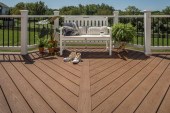
According to Kermit Baker, AIA’s chief economist, the slow economy is responsible for a continued strong interest in home offices reported by 34 percent of the architects surveyed, although overall interest has declined since 2009. Because home sizes also are shrinking, homeowners are prioritizing the rooms that will be used most often, Baker notes, including rooms intended for leisure time. Forty-one percent of architects surveyed said clients are showing increased interest in outdoor living rooms.
Many of the upscale special-use rooms that were desirable during the boom years are now deemed redundant extravagances by clients for whom scaling back on household spending has become necessary. Why build a dedicated home theater or a hobby/game room when the den or living room can serve those purposes? Architects indicate that interest in these rooms in particular, as well as interest in exercise/fitness rooms, home workshops, and kid’s/guest wings, has dropped dramatically since 2009.
While overall interest in sustainable building products has declined along with the dip in new construction, architects report that many clients still desire resource-efficient, cost-saving, and green products. Most of the product characteristics architects were questioned about—such as energy-efficient, low maintenance, water saving, recycled materials, and synthetic materials—have experienced only slight declines since 2009. Significantly more than 50 percent of architects surveyed reported high interest in all categories but recycled materials (47 percent). Clients also appear to remain highly interested in systems and technologies such as energy management (50 percent), tankless water heaters (68 percent), solar panels (49 percent), geothermal heating and cooling (47 percent), wireless systems (42 percent), backup power generation (34 percent), and water reclamation (33 percent).
Client interest remains relatively strong for special features that improve a home’s energy performance and interior comfort, such as insulation projects, according to surveyed architects. A minority of architects indicate growing interest in features that improve occupant accessibility, such as first-floor master bedrooms, ramps, elevators, and non-slip flooring, however, the percentage of architects reporting increasing interest in these features has declined slightly since 2009.
Read the complete report on the AIA’s 2010 Second Quarter Home Design Trends Survey.