Harry Whitver
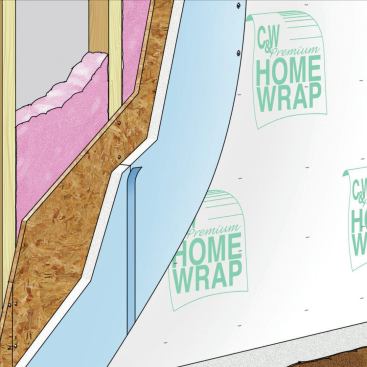
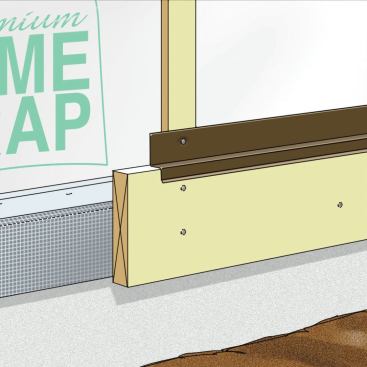
1. Fasten the Foam: Apply foam to the wood-sheathed wall using c…
Advancing energy codes include high-performance wall insulation details. One new wrinkle for many builders is walls built with fiber insulation between the studs, plus rigid foam insulation applied over the outside walls. It adds up to a robust system: the foam on the outside keeps the wood frame inside the wall warm and dry in winter, and repels outdoor heat and moisture in summer.
But if you use wood clapboard siding, foam sheathing can cause trouble. Moisture can get trapped between the siding and the foam, leading to paint failure and causing clapboards to cup and curl. For good siding performance, you need to supply an air space behind the siding where incidental water can drain and the siding’s back face can breathe. In this assembly, the “drainage plane” can be either the face of the waterproof foam, or housewrap applied over the foam.
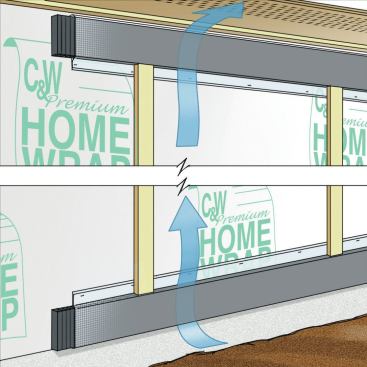
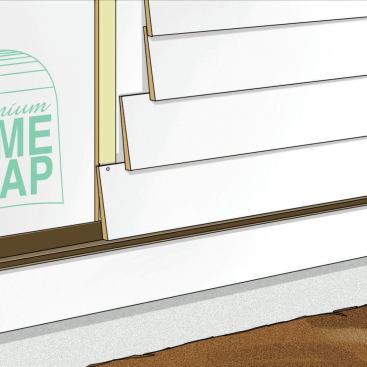
Whether you use the foam itself as the drainage plane material, or add a layer of housewrap, you have to make sure that the system is flashed to direct draining water down and out of the assembly. And you should provide a way for air to enter and leave the drainage cavity, at the top and the bottom. In this example, we show Z flashing below the first course of siding, and we show perforated board wrapped with insect screening to allow air entry at the base of the wall.