Founded in 1995 by Rani Dandamudi, Chicago-based GI Stone has made a name for itself in the commercial real estate sector, outfitting five-star hotels like the Four Seasons Chicago along with upscale multifamily projects. Now at the mark of 30 years, the stone provider has expanded to luxury residential offering private homeowners and design teams their services for the first time.
“Working with creative designers at the top of their craft and discerning homeowners has been exhilarating and energized other areas of our business,” says president Sandya Dandamudi. She shares more on the new division, how they keep workers safe from silica dust, and GI’ culture below.
Why the launch of a luxury residential division after 30 years?
In the post-Covid world and with more people working remotely, people are increasingly focused on creating comfortable, beautiful environments at home, so we have been fielding more requests from private homeowners and their design teams. Higher interest rates have also contributed by motivating people to stay put and renovate their homes. Not to mention platforms like Instagram and Pinterest, which have exposed people to the wide range of luxury finishes. We knew it was the right time and decided to capitalize on the demand.
Steven Koch
How has GI Stone protected its employees from silica dust?
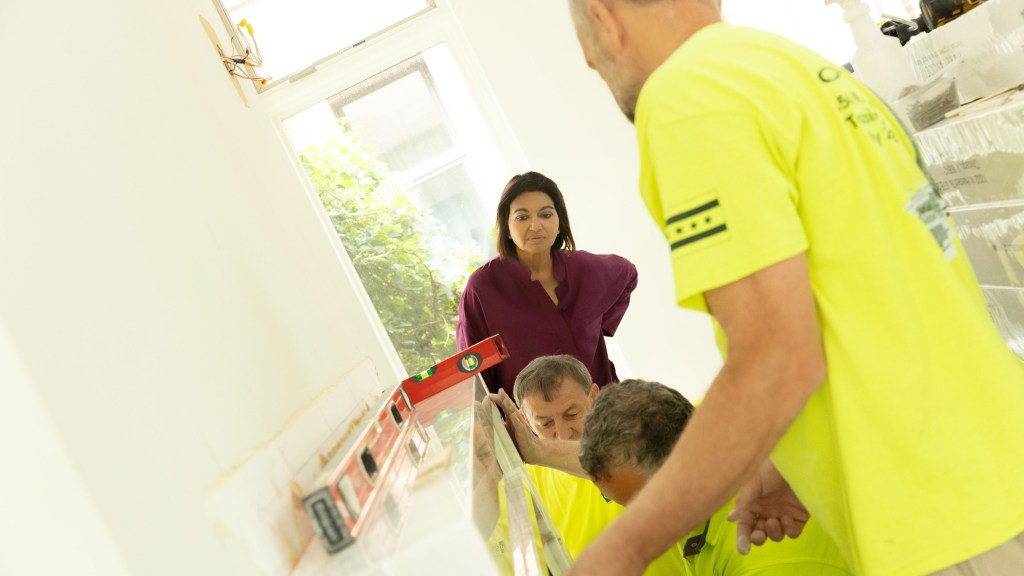
We take worker safety very seriously. We’ve invested in technology to monitor the air and activate air scrubbers when dust is detected above a certain threshold in our shop and use portable scrubbers at client sites. We also reduce dust by using water when we cut stone – an old but very effective technique. Finally, we invite OSHA inspectors to visit our workshop for inspections on a regular basis. In fact, they tested our air quality a few months ago, collected dust and sent it to labs. We passed with high marks.
In what ways has GI Stone been impacted by higher tariffs so far?
We have been impacted very negatively especially in our commercial work. Not only do higher tariffs affect the cost of our goods, but they also affect other sectors of real estate. As a result, Chicago has very few tower cranes in the sky – and the conversion and reuse projects have also stalled.
What is the culture of GI Stone like?
We are a tight knit group, a second family. One member of my team has been with GI Stone since he was 19, now he’s 41 – I’ve worked with him for more than half of his life. Like all families we have our differences, but we all know that we have each other’s back.
What’s your personal top product pick?
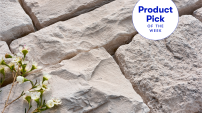
That is a dangerous question because it can change often! I’m currently enamored with Dekton. It’s extremely versatile, available in a wide array of colors and finishes. Adding to its appeal, it has an extremely low silica content, making it a safe and sustainable product.