
Harry Whitver
Understand the Probem: Conventional roof trusses have top chords…
When you’re building a high-performance house, you need to shave the heating and cooling loads everywhere you can. Thermal bridging creates hot spots or cold spots in the building envelope, and that makes a difference for heating and cooling costs—as well as for comfort.
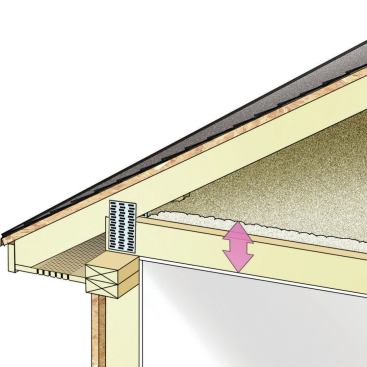
One example: the juncture where walls intersect roofs. A house design may call for 16 inches of fiberglass insulation in an attic, but if the top chord of the roof truss only passes 6 inches above the wall plate, there’s no room for that much insulation at that location. Millions of houses that have code-compliant attic insulation over most of the ceiling area have compressed insulation all around the house perimeter—which means the owners haven’t gotten the most out of their insulation.
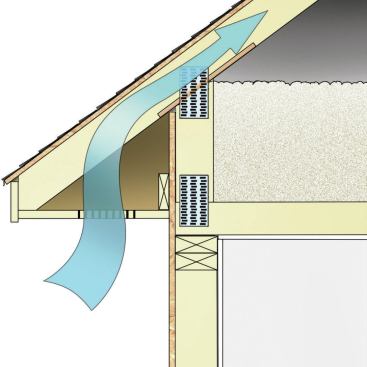
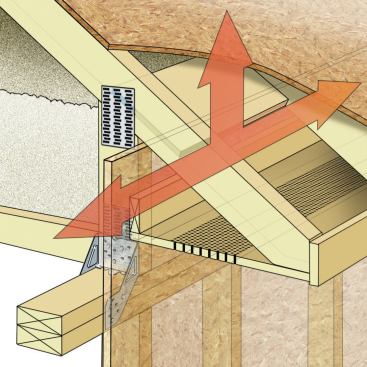
Fortunately, truss manufacturers know how to build raised heel trusses (also called energy trusses) that leave room for full-height insulation all the way across the joint where the wall plate supports the truss.
Typically, the tall heel of the truss sits flush with the outside of the wall framing, creating a continuous plane that you can sheathe over with plywood or OSB for a strong, well-braced joint. But high-heeled trusses do sometimes require extra bracing (such as in earthquake- or hurricane-prone areas). Your truss maker knows how to engineer the bracing and connection details to meet local codes and national design standards. Give the manufacturer information about the building’s location and any special structural loads, and then follow its details to a T.
For more construction technology articles, go to www.builderonline.com/construction.