There are three things all homeowners?and home builders?abhor in their homes: mold, mildew, and bacteria. Now, products with antimicrobial protection make it easier to keep those unwanted visitors at bay. Manufacturers of everything from paints to toilets are using antimicrobial treatments to keep mold and bacteria from attaching to and breeding in their products. They say this allows them to create items that last longer and are easier to clean. The treatments are built in during the manufacturing process or before products are used, so the protection will not wear out or wash away over time.
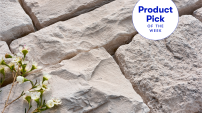
“Because our product is protected, there is no place for the bacteria,”says Harold German, director of marketing for Stonemark. “Regular cleaning, such as wiping it with a rag, takes care of everything.”
Antimicrobial products are generally made for areas prone to moisture, such as bathrooms, kitchens, and basements, because those are the places that are most vulnerable to mold and other microorganisms. One such treatment is Microban, anantimicrobial ingredient used in a variety of products, such as DAP’s Kwik Seal caulk and Kwik Seal Plus basement paint and Silestone’s countertops. Other companies have developed their own treatments. For example, Sherwin-Williams uses antimicrobial additives in some of its interior and exterior paints and coatings. Stonemark uses an antimicrobial treatment in its Innovative Stone line of granite countertops.
“What we looked at was a lot of consumer research on the fact that people didn’t want to spend a lot of time cleaning their fixtures,”says James Walsh, product director of chinaware material for American Standard, which uses a silver-based antimicrobial treatment in some of its mid-range and higher-end toilets. “We aren’t saying you shouldn’t clean your product, but, between cleanings, this will stay cleaner longer.”
Microban says its treatment allows building products to last longer, as well. “A good example is exterior paint,”says Mike Crenshaw, director of business development in building products for Microban. “Without the use of antimicrobials, paint films would be more prone to deterioration, leading to repainting on a more frequent basis.”
Treatments must be registered with the EPA, which requires third-party testing for safety and effectiveness. The EPA stresses these treatments only protect the products themselves. They do not protect users from viruses, germs, food-borne bacteria, or other diseases. Treated products should always be thoroughly washed and cleaned. It’s important to note that the products do not cause harm to the environment or lead to the development of super-strong bacteria, manufacturers say.
For some manufacturers, antimicrobial treatments allow them to avoid using more toxic methods to protect their products. Stonemark’s Innovative Stone countertops are Greenguard certified for safe indoor air quality, and Sherwin-William’s Duration Home paint, which uses antimicrobials, can be used in LEED-certified buildings.”We don’t have to use toxic sealants,” says German of Stonemark. “It gives customers healthy solutions for their homes.”