
Brian Vanden Brink
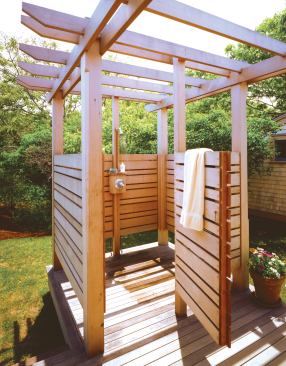
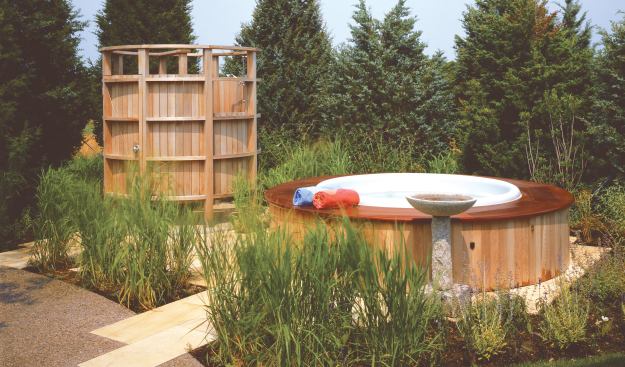
The cedar shower shares a south-facing deck with the mud room of…
An outdoor shower is a sanctuary, a place where one can experience the effects of sunshine, rain, moonshine, darkness, cold—all of Mother Nature’s wondrous gifts. Here homeowners, especially vacation-home owners, can find bracing pleasure in expectation of the day ahead and in repose after a day at the beach or working in the yard. A well-planned outdoor shower should give its owners an invigorating daily experience from Easter to Thanksgiving, even in New England. I always insist my clients include an outdoor shower in the houses I design for them; it’s usually stipulated in my contracts. I’ve had the good fortune to design dozens of outdoor showers and these are the ingredients I’ve learned they need to add pleasure, utility, and fun to their owners’ lives.
A Sunny Site
- Select a sunny location in the landscape or along the facade of the house. Full sunshine is pleasant while using the shower and also will help dry it out after use. An east-facing spot is best for morning, west works best for after the beach, but a south-facing location will be great all day.
- The shower area needs to dry out to give users a pleasant experience. A location that’s open on at least three sides of the shower and exposed to the sky will provide the proper ventilation that is key to a good outdoor shower. Do not install a shower on an inside corner of the house or beneath an overhang or deck. Getting the shower into the landscape allows maximum sun and ventilation from all sides.
- It is OK if the shower is located on a shingled outside wall, but you have to expect that the shingles in the splash area of the showerhead will discolor.
- Ensure proper drainage below the shower area. Do not allow water to drain against a wall below deck level, a foundation, or other building component. Ideally, install 1 square yard or so of crushed gravel below the shower base and an underground drain leader away from the house.
- A site with a nice view of the property and beyond will add another layer of pleasure to the outdoor shower experience. But if distant scenery isn’t in the cards, consider using plantings to give focus to the view.
- Look up as well as out, and seek the sky. I suggest an open-to-the-sky shower experience, especially at night. If there are second-floor windows that could compromise privacy, consider adopting “Boy Scout Rules.” If that doesn’t fly with the modest few, try a trellis “ceiling” with plantings.
- Choose the location well. Consider what the outdoor shower will look like in the off-season. Will it be a beautiful landscape and architectural feature? Or will it be located in a place mostly viewed in the summertime? Will the shower environment be temporary from year to year and reconstructed anew? How will the plantings’ seasonal change affect the nature of the shower?
Proper Accoutrements
- Decide what functional requirements you will need in the “oasis,” such as shower area, dressing area, bench, pegs for towels, enclosed drying area, grooming (shaving) station, tub, sink, garden area, and plantings. Remember to include shelf areas for shampoo, combs, soap, and the like. Deciding what amenities the owners will need to shower with as well as the number of people who will use it will determine the size of the shower areas.
- Take into account the distance from the hot water heater to the shower. The shorter the distance, the quicker warm water will arrive at the shower and the less water will be wasted. The hot water line is critical unless your clients are cold-water purists or only expect a short season of use.
- Find a remote insulated location for a second set of utility plumbing controls. This is important for turning the supply of water off to avoid the effects of frost. And make sure the plumber shows your clients how to drain the pipes so they can do this simple task themselves to get the longest possible season of use. They will be the heroes of the local cocktail circuit for starting the earliest and/or showering in the snow, which is the ultimate for outdoor shower aficionados.
- Enclosure materials for the walls should be resistant to water damage and mold. I have used cedar, canvas, teak, mahogany, stainless steel mesh, nylon rope, cedar lattice, and plantings for the enclosure system.
- Consider the nature of the materials and how they will feel while using the shower. Plantings are nice to use along with a lattice or trellis, but the enclosure may take a while to grow, and the owners will have to use environmentally friendly soaps that won’t kill the plantings. The choice of enclosure material and apertures to the site will control the nature of the overall experience.
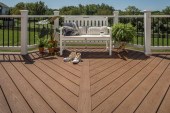
- Whether made of wood, stone, or another material, the floor must be comfortable underfoot and slip- and rot-resistant. Stone is nice when the sun warms it. Millstones are perfect because they drain to the center axle slot and create a nice round space. Bluestone and limestone work well, but make sure to leave enough space between the stones for proper drainage. If using wood decking, consider mahogany or Port Orford cedar. Avoid using fir or pressure-treated decking, both of which splinter. Make sure to use pressure-treated framework below the deck and provide the framing with some air space so that it can dry out.
- A solid brass shower valve will best withstand the exterior exposure, especially critical on the salty waterfront. Go low-key and get a functionally derived valve only a plumber would love. The building code requires use of mixing valves to protect children.
- The showerhead is the most personalized decision your clients will make. Some like the sunflower jumbo head that is made to simply rain down on the user. However for the full effect, it requires a ¾-inch plumbing line, which can create water-use issues. If you use this type, I suggest mounting it away from the shower wall so the user can get directly beneath the head. I usually recommend other types of showerheads that have perfectly wonderful pulsating, misting, and varied flow options.
- For evening shower takers, provide low path lighting, but install only enough to get to the shower. Avoid bright wall-mounted lights next to the shower, as they tend to attract insects.
An outdoor shower is a chance for your clients to have fun and create a very personalized environment. Most of the friends who visit our house return home with some story or another regarding the outdoor shower experience they had never had before. Maybe there is just something about being naked outside that fulfills a deeply held human need.
Mark A. Hutker, AIA, is principal of Hutker Architects, Falmouth and Vineyard Haven, Mass. Visit his Web site at www.hutkerarchitects.com.