Chef Central

Home cooks mean serious business.

13 MIN READ

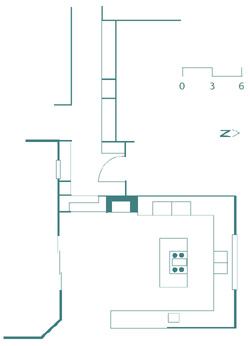
Stealthy Storage Architect Tony Terry’s strategy for this Branford, Conn., kitchen involved a little sleight of hand. The main design concept was simple enough. He cut into the ceiling of the 1959 Colonial’s one-story addition to make a double-height kitchen and family room. Then he defined the kitchen area using four clasically inspired pillars rather than the usual solid walls.

Opening up the kitchen to the family room with columns was all well and good, but the lack of upper cabinets meant Terry would have to scramble for storage space. He did push the boundaries of the kitchen slightly outside the pillars, lining the east wall with glass-front upper cabinets, a refrigerator, and a stainless-steel range. On the north wall he sneaked in a pantry closet, oven, and microwave. More cabinetry is discreetly tucked under the granite island and peninsula countertops. And Terry also borrowed storage space from the hallways connecting the kitchen to the dining and breakfast rooms.

The kitchen’s farmhouse sink, cherry cabinetry, and old-fashioned hardware reinforce the overall home’s Colonial identity. Photo: Olson Photographic The open-air setup lets in views and light from the family room picture window, and gives some much-needed breathing room to the typically tight Colonial floor plan. Food preparation centers on the island, with its handy prep sink, pop-up mixer, and proximity to major appliances. Terry had one more bit of subterfuge up his sleeve: The peninsula’s raised counter, neatly aligned with the pillars’ pediments, cannily hides the sight of dirty dishes from the family room.

Project Credits:
Builder: Remodeling Durham Style, Durham, Conn.; Architect: Terry Architecture, Branford, Conn.; Project size: 296 square feet; Construction cost: Withheld; Photographer: Olson Photographic.

Photo: Olson Photographic Resources:
Cooktop: Dacor; Dishwasher: Bosch; Faucet: Grohe; Refrigerator: Sub-Zero; Sinks: Kohler; Vent hood/wall ovens: Dacor.

Details Stately white columns loosely anchor the room while keeping it open to the rest of the space. “It doesn’t have much of the usual presence of a kitchen; for the most part it’s in between the pillars,” says architect Tony Terry. “It’s very much a part of the family room, acoustically, visually, and socially.”


About the Author

Upcoming Events

  • Happier Homebuyers, Higher Profits: Specifying Fireplaces for Today’s Homes

    Webinar

    Register for Free
  • Sales is a Sport: These Tactics Are the Winning Play

    Webinar

    Register for Free
  • Dispelling Myths and Maximizing Value: Unlock the Potential of Open Web Floor Trusses

    Webinar

    Register for Free
All Events